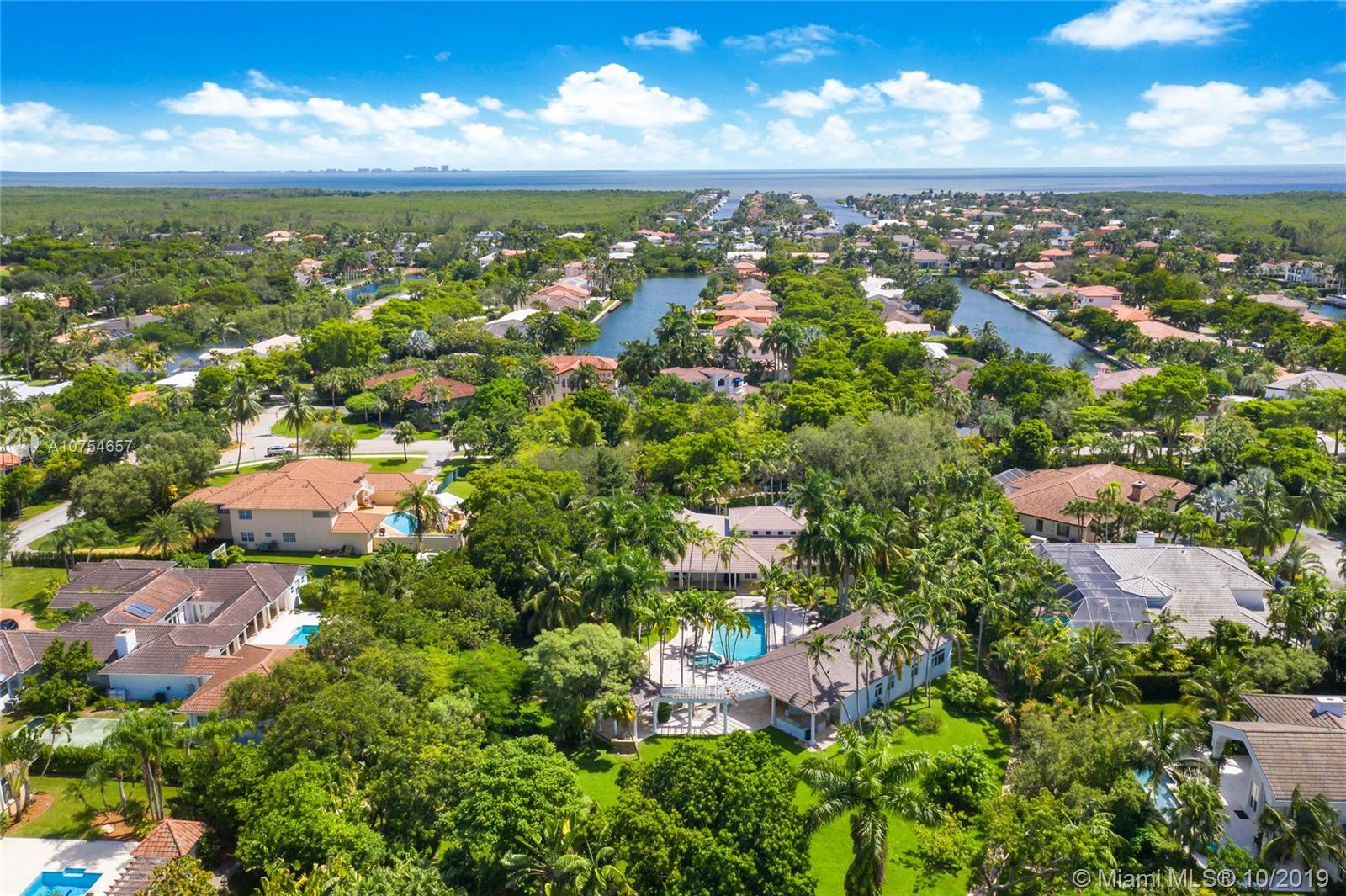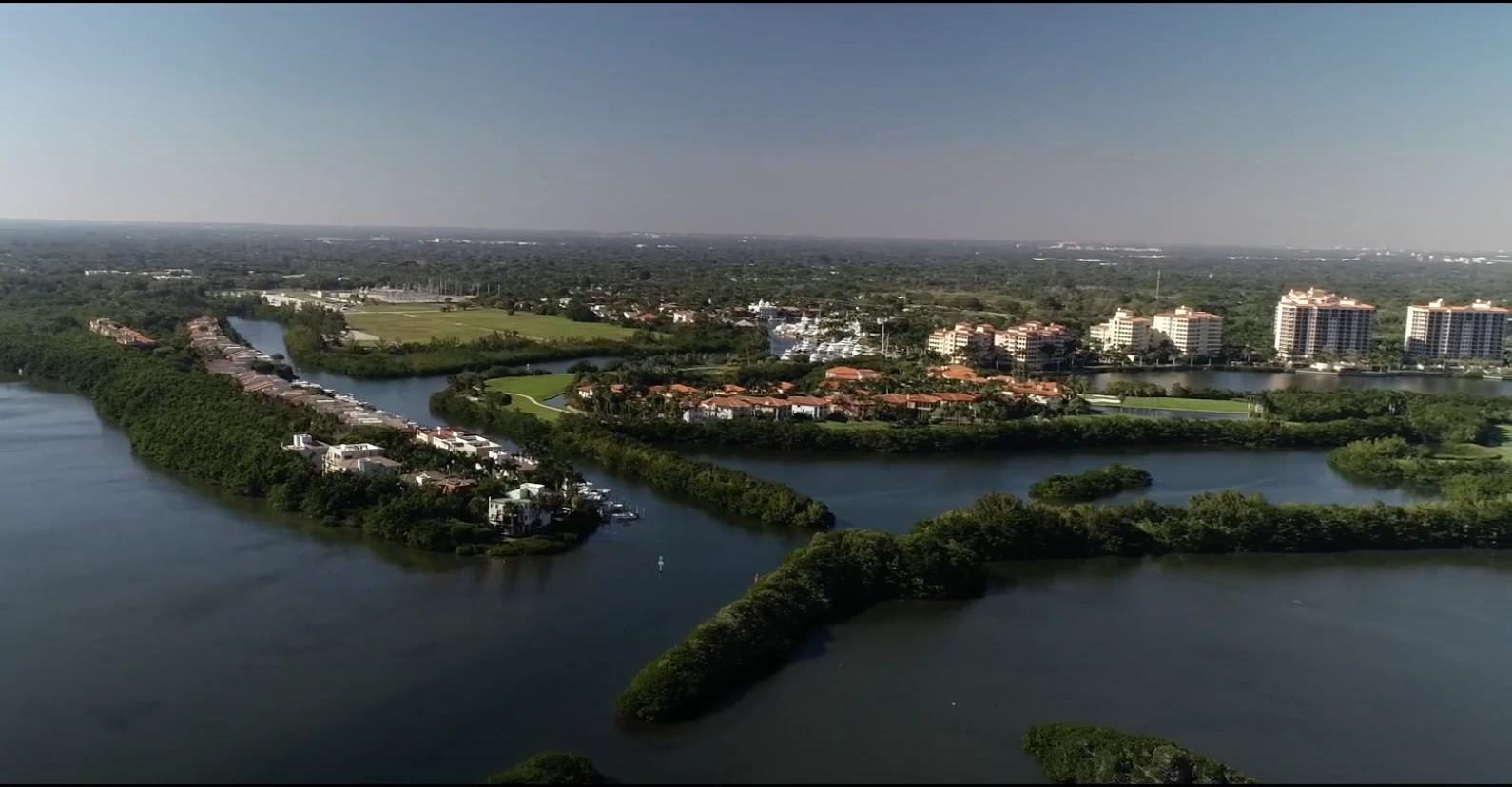
South Miami packs a walkable downtown, a major hospital campus, and a Metrorail station into a small footprint, which gives it a commercial mix that punches above its size. A replacement-property search here is really a search across three overlapping demand drivers at once: retail foot traffic, medical tenants, and transit access.
A Walkable Downtown Next to a Major University
Sunset Drive anchors the retail core, drawing on foot traffic from the University of Miami and Coral Gables next door as much as from South Miami's own residents. That regional draw is part of why small retail bays here can command rents closer to Coral Gables levels than a typical neighborhood commercial strip.
Sunset Drive Retail and the Buildings Above It
The building types worth knowing here cluster around a few uses:
- street-level retail and restaurant space along Sunset Drive
- medical and professional office near the hospital campus
- small office condo units
- multifamily near the Metrorail station
- mixed-use buildings combining ground-floor retail with office or residential above
Medical office tenants here tend to sign longer terms tied to the hospital's referral base, which makes that category more stable but also slower to re-lease if a tenant relocates.
Parking and Redevelopment Constraints Change Underwriting
Parking is genuinely tight in the downtown core, and several buildings rely on shared or municipal parking arrangements rather than dedicated on-site spaces. That's worth confirming directly rather than assuming a listed parking ratio holds up in practice, since a shared parking agreement can change or lapse independent of the property's ownership.
Redevelopment interest near the Metrorail station has also pushed some owners to hold buildings in anticipation of a future upzoning rather than lease them at full market rate today, which can make current rent rolls look artificially soft on paper.
Coordinating Around a Retail Base That Runs on Foot Traffic
The exchange calendar doesn't change: proceeds to the qualified intermediary, 45 days to identify, 180 days to close. What takes coordination is confirming parking arrangements, medical tenant lease terms, and any pending zoning or redevelopment applications before those get written into the identification, since each one can materially change what the property is actually worth.
Treat parking and access agreements the same way you'd treat a shared utility easement on a building you're evaluating, get the actual agreement in writing and confirm it survives a change of ownership rather than relying on how things have always worked.
Student housing demand tied to the University of Miami also spills across the city line into South Miami, particularly for small multifamily buildings within walking or short-shuttle distance of campus. That demand runs on the academic calendar rather than a typical twelve-month lease cycle, which changes how vacancy and turnover should be modeled compared to a standard residential rental building elsewhere in the county.
The city's own downtown revitalization efforts over the past two decades have shaped a fair amount of the current building stock, with several mixed-use projects replacing older single-story retail along the Sunset Drive corridor. That history is worth understanding when comparing an older, unrenovated building against a newer mixed-use one nearby, since the two can carry very different capital expenditure needs despite sitting a block apart.
Traffic circulation around the Metrorail station and the surrounding one-way street grid also affects how easily customers reach ground-floor retail, and a property's actual visibility from the main traffic flow should be checked in person rather than assumed from an aerial photo or listing description.
Outdoor dining rules along Sunset Drive have also evolved over the years as the city has balanced pedestrian space against vehicle access, and a restaurant tenant's actual permitted seating footprint should be confirmed directly with the city rather than assumed from what's currently in place on site.
Turn South Miami Into a Practical Sale Plan
Bring the current property, ownership, expected closing date, estimated equity, debt payoff, management goal, and preferred replacement profile to the first conversation about south miami. Those facts make it easier to separate realistic direct-property, net-lease, and DST paths, surface advisor questions early, and keep credible backup choices visible before the exchange deadline. Free guidance is available whether the sale is still being considered or the property is already under contract.
Common 1031 Exchange Questions
Why do small retail spaces on Sunset Drive command higher rent than a typical neighborhood strip center?
Foot traffic here draws from the University of Miami and Coral Gables in addition to South Miami's own residents, giving these retail bays a regional pull that a standard neighborhood center doesn't have. That regional draw supports rents closer to Coral Gables levels.
What should a buyer verify about parking before identifying a downtown South Miami property?
Confirm whether the building relies on dedicated on-site parking or a shared or municipal arrangement, since shared parking agreements can change independent of the property sale. A listed parking ratio should be checked against the actual signed agreement, not assumed.
Does medical office near the hospital campus make a good 1031 replacement property?
It can be a stable category since leases here tend to run longer, tied to the hospital's referral base, but that stability comes with slower re-leasing if a tenant relocates. Reviewing actual lease terms rather than assuming standard office turnover applies is important.
Can redevelopment potential near the Metrorail station affect current rent roll accuracy?
Yes, some owners hold buildings below full market rent while anticipating a future upzoning, which can make a current rent roll look softer than the location would otherwise support. A buyer should ask directly whether current leasing reflects a redevelopment hold strategy.
How does the 45-day identification window work if parking or zoning questions are still unresolved on a candidate property?
The written identification still needs to happen within 45 days regardless of open questions, so those items should be flagged for resolution during the remainder of the 180-day closing period. Waiting to identify until every question is answered risks missing the deadline entirely.