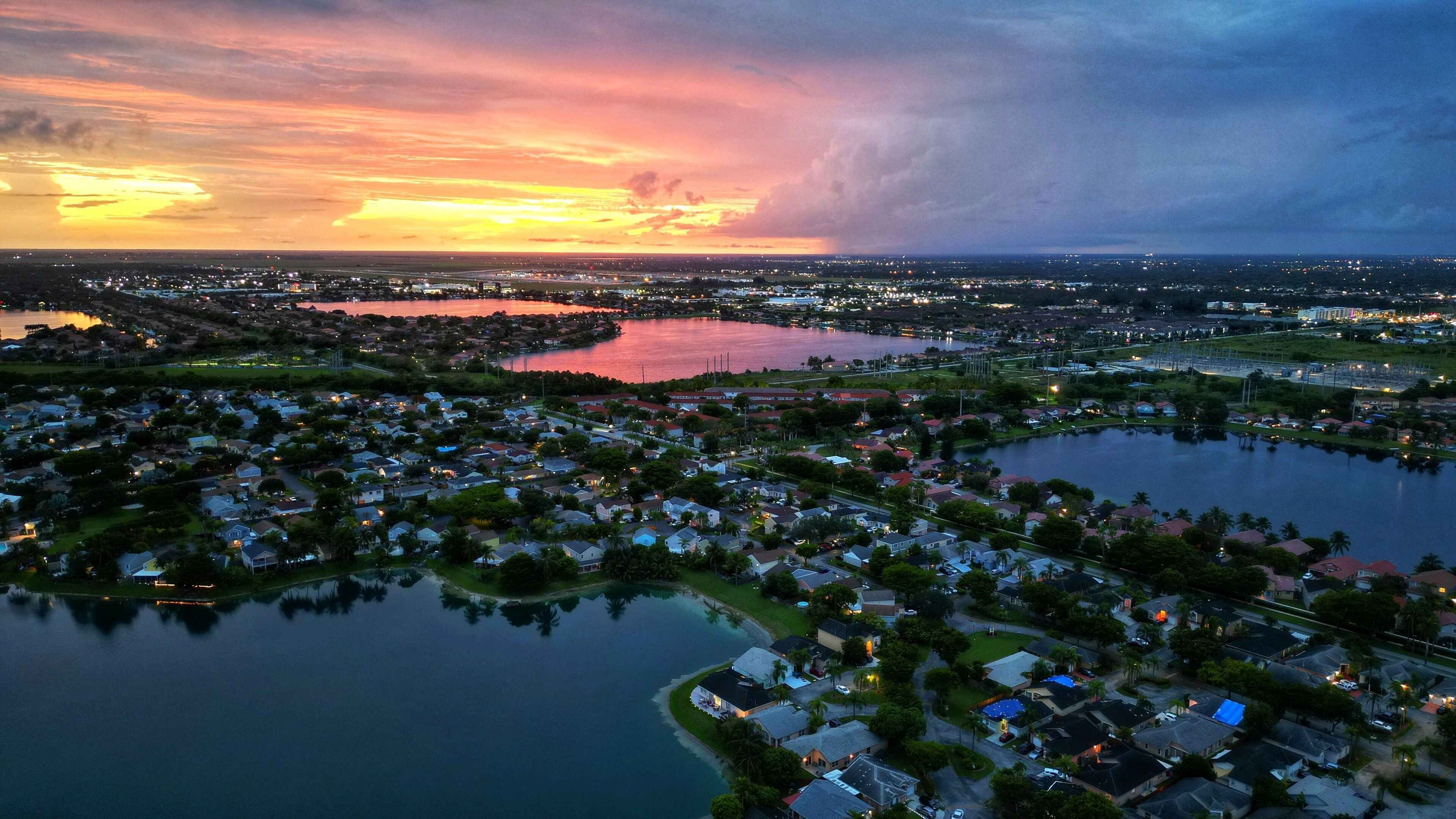
Cutler Bay is a suburban South Dade town built mostly since the 1990s, with commercial development following the population rather than leading it. Replacement property here tends to be grocery-anchored retail centers along US 1 and light flex or service commercial space near Caribbean Boulevard, priced well below what a comparable asset costs closer to the urban core.
What's on the Shelf in This Corridor
The mix is practical and residentially driven:
- grocery-anchored and neighborhood retail centers along US 1
- light flex and service commercial space near Caribbean Boulevard
- small professional office buildings serving local residents
- self-storage facilities near the Turnpike access points
Because this is a newer town with fewer legacy tenants, lease terms tend to be more standardized than in the older urban core, which can actually make underwriting faster once the rent roll is in hand.
Lower Velocity Means a Different Kind of 45-Day Plan
Fewer properties change hands here in a given year compared with Kendall or Doral, which means the standard three-property identification list sometimes needs to lean on candidates that aren't actively marketed. Reaching out directly to owners of centers along US 1 before the relinquished property even closes gives an investor a real shortlist by the time the 45-day clock starts, instead of scrambling through whatever happens to be listed that week.
Reading a Grocery-Anchored Rent Roll Honestly
A center with a regional grocer as its draw tenant can look stable on the surface, but the real diligence question is what the anchor's lease says about co-tenancy clauses, since smaller tenants often have rent reductions or termination rights tied to whether the anchor stays open. Pull the anchor lease in full rather than relying on a summary, before treating the center's income as locked in.
What Changes for a New Owner on Day One
Service commercial tenants near Caribbean Boulevard, auto repair bays, contractor yards, small warehouses, typically run their own equipment and don't rely much on building systems, but common area maintenance responsibilities, parking lot striping, and stormwater retention upkeep usually fall to the property owner under South Florida's drainage requirements. Confirm the last stormwater inspection and any pending county notices before closing, since South Dade's flood-prone lots can carry deferred maintenance that isn't obvious from a drive-by.
Self-Storage Fits a Different Underwriting Model Entirely
Self-storage facilities near the Turnpike access points behave nothing like retail or flex space, since income comes from many small month-to-month tenants rather than a handful of long leases, and occupancy can swing seasonally as nearby residents move in and out of the area. A buyer used to underwriting retail rent rolls should ask for at least two years of unit-level occupancy history rather than a single point-in-time snapshot, since a facility that looks fully occupied on the day of a tour can still have meaningful churn that a static number won't reveal.
Where the Search Extends South and West
Homestead to the south and Palmetto Bay just north both share a similar suburban retail and light commercial profile, with Homestead generally offering lower pricing and Palmetto Bay slightly higher rents. Naming both with a qualified intermediary as part of the identification list keeps options open if Cutler Bay's limited inventory doesn't produce three closable choices in time.
Service Commercial Tenants Bring Their Own Operating Quirks
Contractor yards and small auto bays along Caribbean Boulevard often store materials or equipment outdoors, which means fencing condition, lighting, and site drainage matter as much to a lease renewal as the building itself. A new owner should walk the lot at the end of a business day, rather than only during a scheduled showing, to see how the space is actually being used day to day, since outdoor storage arrangements that look informal can still be part of the tenant's operational routine and worth preserving rather than restricting after closing.
Turn Cutler Bay Into a Practical Sale Plan
Bring the current property, ownership, expected closing date, estimated equity, debt payoff, management goal, and preferred replacement profile to the first conversation about cutler bay. Those facts make it easier to separate realistic direct-property, net-lease, and DST paths, surface advisor questions early, and keep credible backup choices visible before the exchange deadline. Free guidance is available whether the sale is still being considered or the property is already under contract.
Common 1031 Exchange Questions
Is it common to negotiate directly with owners here instead of buying through a listing?
Yes, given how few properties in this corridor turn over through open marketing in a given year, direct outreach to owners is a normal and often necessary part of building a workable identification list.
What should I check in a grocery anchor's lease before relying on a center's income?
Look specifically for co-tenancy clauses that give smaller tenants rent relief or exit rights if the anchor closes, since that can materially change the center's real income stability beyond what the current rent roll shows.
Who is responsible for stormwater retention maintenance after a sale?
That responsibility transfers to the new owner along with the property, so confirm the retention system's inspection history and any open county notices before closing, particularly on older South Dade parcels.
Does light flex or service commercial space qualify as like-kind to retail I'm exchanging out of?
Yes, real property held for investment or business use generally qualifies as like-kind regardless of whether it's retail, flex, or service commercial, so the property type itself isn't the limiting factor.
Should outdoor storage or equipment yards at a service commercial property concern a buyer?
Not necessarily, but confirm fencing, lighting, and drainage condition during a site walk at different times of day, since these details affect tenant retention even though they wouldn't show up in a standard lease abstract.
What should I ask for before underwriting a self-storage facility here?
Request at least two years of unit-level occupancy history rather than a single snapshot, since self-storage income depends on many small month-to-month tenants and can carry more seasonal churn than a standard retail rent roll shows.