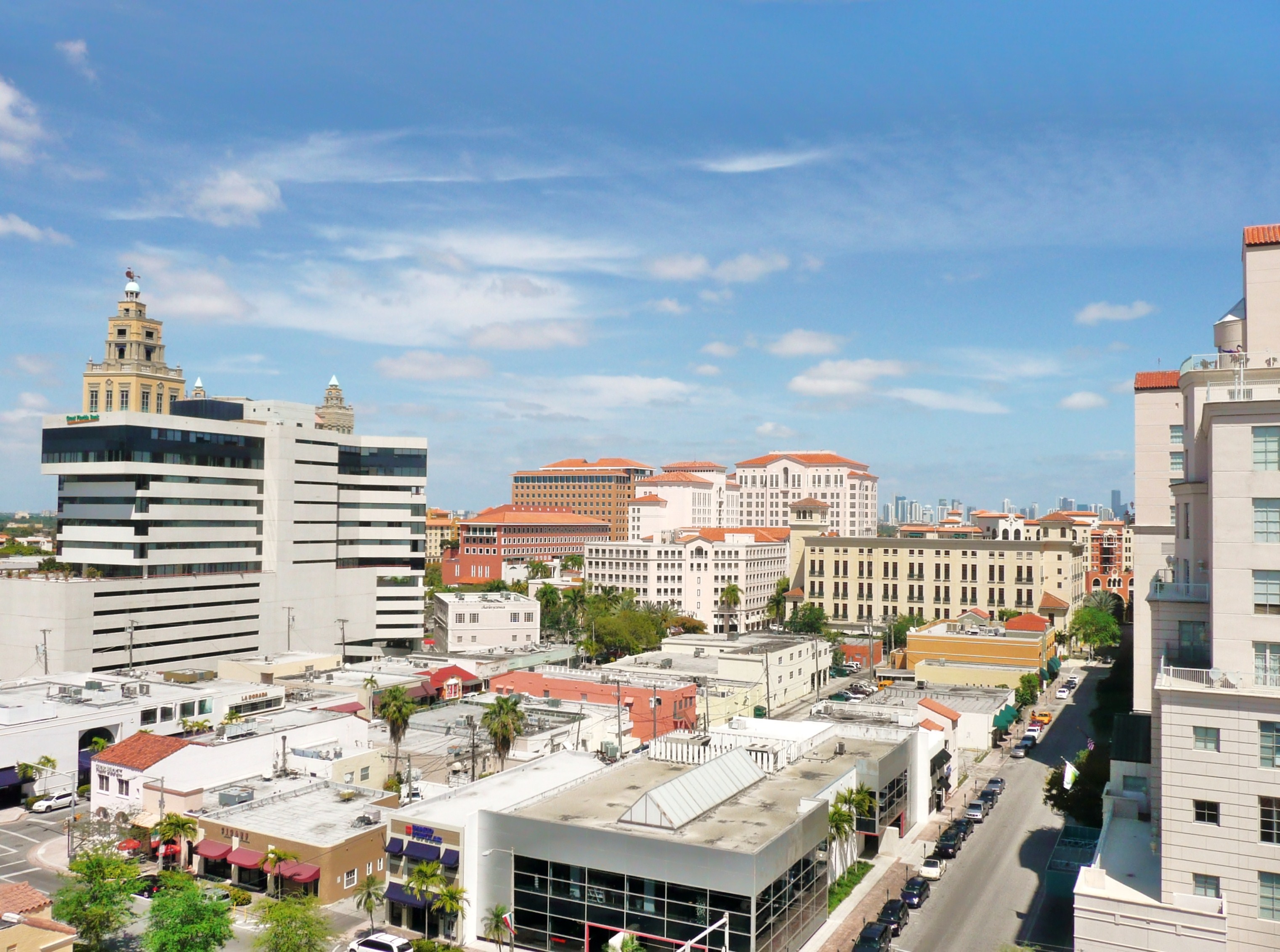
Downtown Miami carries the county's government buildings, the courthouse complex, and a stretch of older office towers that predate Brickell's newer skyline just to the south. Replacement property here often means buying into a building with real deferred capital needs, elevators, chillers, facade, and a tenant base split between long-term government leases and private-sector office users.
The Shape of the Available Inventory
Stock here skews older and more varied in condition than Brickell's newer towers:
- pre-1990s office towers along the Flagler Street corridor
- retail storefronts in the historic Flagler Street shopping district
- government and courthouse-adjacent office buildings
- adaptive reuse buildings converted from older commercial stock
- mixed-use parcels near Miami Worldcenter and the Metromover line
Vintage matters more here than almost anywhere else in the county, since a 1970s tower with original mechanical systems requires a very different capital plan than a recently renovated building two blocks away.
Government Leases Are Stable but Slow to Renegotiate
A meaningful share of downtown's office inventory carries government or quasi-government tenants on long leases, which reads as reliable income but comes with a tradeoff: renewal and rent escalation negotiations with government tenants typically move through procurement processes that are far slower than a private-sector renewal. An investor underwriting a building with this kind of tenant should ask for the tenant's actual renewal history, rather than relying on the current lease term alone, before assuming the income is as simple as it looks.
What an Older Tower Actually Costs to Run
Elevator modernization, chiller replacement, and facade repair are recurring capital items in downtown's older towers, and a seller's trailing operating statement often understates what's coming due. Request the building's most recent engineering or capital needs assessment, if one exists, and if it doesn't, budget for one before the 45-day identification window closes rather than discovering the real number after you own the building.
Title and Historic Review Take Longer Than Expected
Several blocks around Flagler Street carry historic designation, which means exterior work needs review beyond a standard building permit, and title searches on older parcels sometimes surface easements or municipal agreements tied to the Metromover or county infrastructure. Starting title work the day the relinquished property closes, rather than waiting for a replacement contract, keeps the 180-day exchange period from being squeezed by paperwork that has nothing to do with the deal itself.
Adaptive Reuse Buildings Need Their Own Cost Model
Several older commercial buildings downtown have been converted from their original use, a former warehouse into loft office space, an old retail building into a mixed-use property, and these conversions sometimes carry code compliance issues that only surface during a permit pull for future tenant work. A buyer evaluating an adaptive reuse building should request the certificate of occupancy history and any open permits from the city before relying on the current use as settled, since an improperly closed-out conversion can become the new owner's problem the first time a tenant requests a buildout.
Where the Search Extends If Downtown Doesn't Work
Brickell immediately to the south offers newer building stock at a materially higher price point, while Hialeah and the western corridors offer older, lower-cost alternatives outside the urban core. A qualified intermediary should have both directions named as backups, since the documentation stays consistent even though building age and tenant profile shift considerably.
Metromover Access Cuts Both Ways for Building Operators
Direct Metromover access is a genuine amenity for office and retail tenants who rely on it for daytime foot traffic, but buildings with a direct connection sometimes carry easement or maintenance obligations tied to the county infrastructure that a standalone tower elsewhere wouldn't have. Get the specific terms of any Metromover connection agreement in writing before closing, including who is responsible for maintaining shared walkways or entry points, since a vague verbal understanding from the prior owner is not something a title company can rely on later.
Turn Downtown Miami Into a Practical Sale Plan
Bring the current property, ownership, expected closing date, estimated equity, debt payoff, management goal, and preferred replacement profile to the first conversation about downtown miami. Those facts make it easier to separate realistic direct-property, net-lease, and DST paths, surface advisor questions early, and keep credible backup choices visible before the exchange deadline. Free guidance is available whether the sale is still being considered or the property is already under contract.
Common 1031 Exchange Questions
Are government leases a safer bet than private office tenants downtown?
They're generally more durable but slower to renegotiate, since rent escalations and renewals typically run through procurement processes. Review the tenant's actual renewal history rather than assuming stability from the lease term alone.
How do I estimate deferred capital needs in an older downtown tower before buying it?
Request the seller's most recent engineering or capital needs assessment. If none exists, budget for an independent one before your identification window closes so the real cost isn't a surprise after closing.
Does historic designation on Flagler Street affect what I can do with a property after buying it?
It can. Exterior alterations in designated blocks typically require review beyond a standard building permit, so confirm the property's historic status and any related restrictions during diligence.
Can I identify a Downtown Miami office building and a Hialeah industrial property on the same identification list?
Yes, the identification rules apply per property regardless of asset type or submarket, so mixing an office building with an industrial backup is permitted as long as each is properly described.
Does a direct Metromover connection add value or add obligations to a downtown building?
It can do both. The foot traffic is generally a benefit for retail and office tenants, but confirm any maintenance or easement obligations tied to the connection in writing before closing, since these details aren't always volunteered by a seller.
What should I ask for on an adaptive reuse building before treating its current use as settled?
Request the certificate of occupancy history and any open permits from the city, since an improperly closed-out conversion can surface as a compliance problem the first time a tenant applies for a buildout permit.