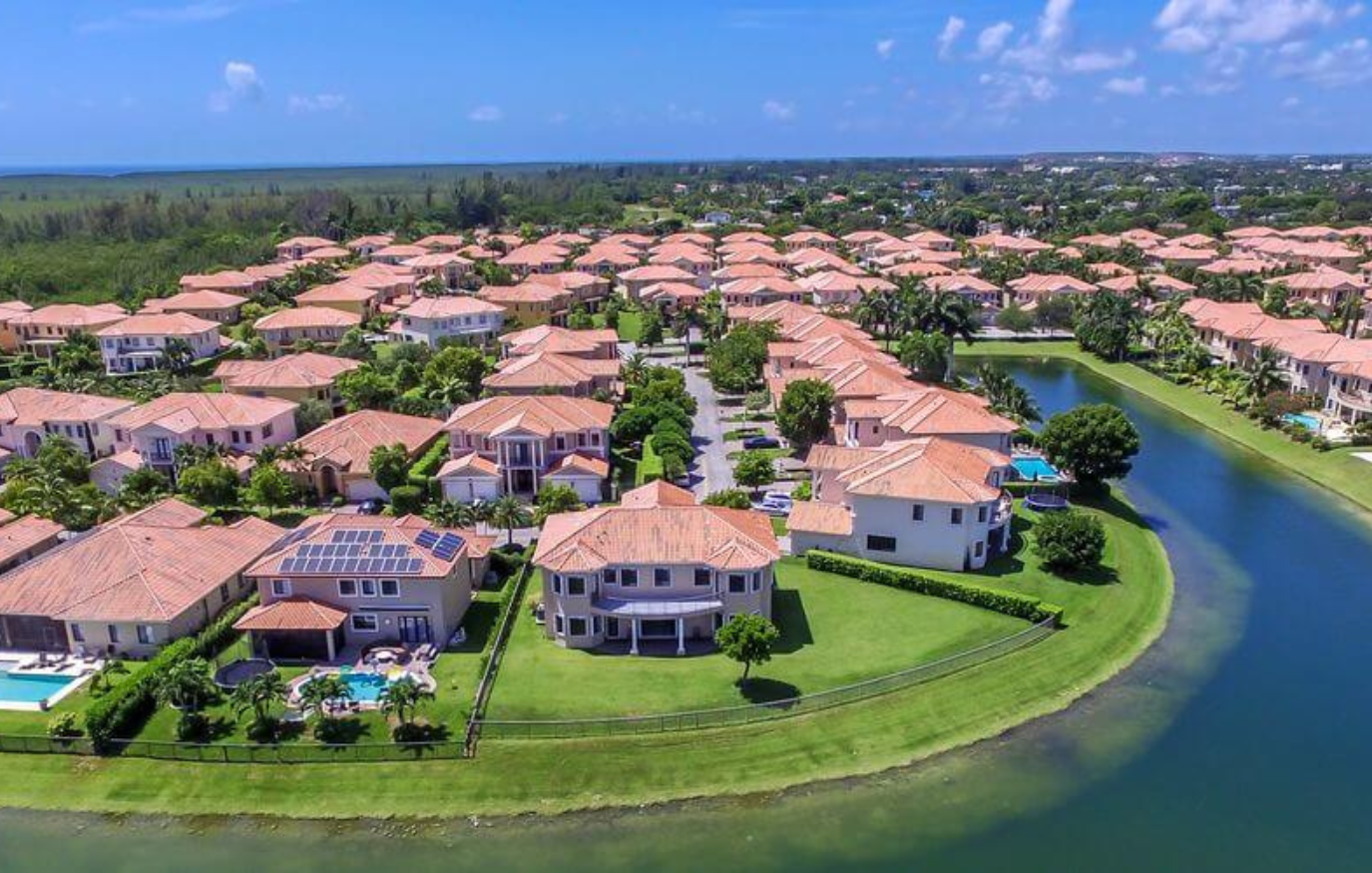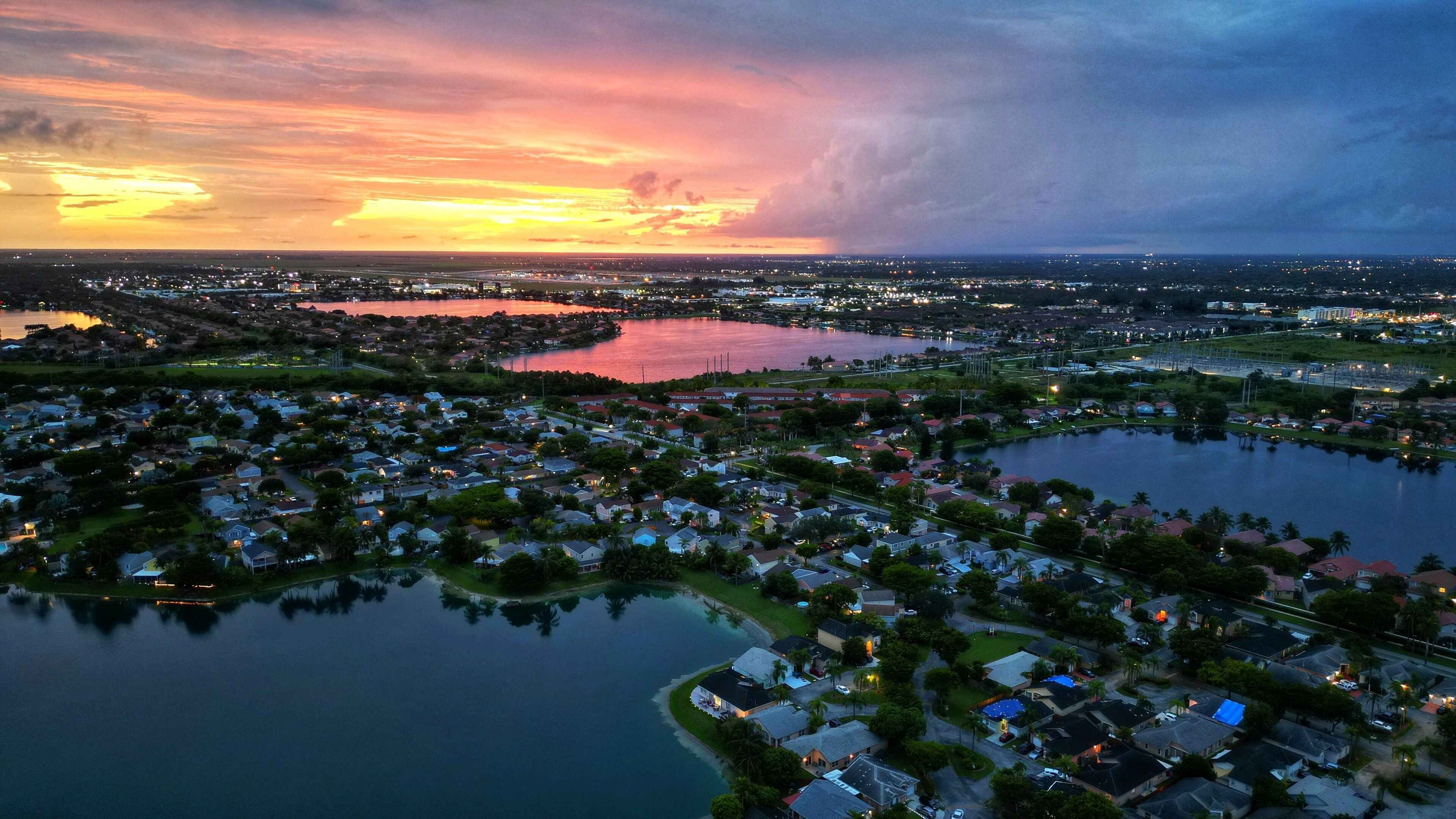
Palmetto Bay is a quiet residential village first, and its commercial footprint reflects that: a handful of retail nodes along Old Cutler Road and US 1, not a real commercial district of its own. An owner here selling investment property is usually going to search a wider South Dade map for the replacement, not the village itself.
A Residential Village With Almost No Commercial Stock
Village zoning here has deliberately kept commercial development small and low-rise, which residents generally like and which also means there's simply not much building stock for a 1031 buyer to shop locally. The village's own commercial parcels are mostly small retail and office buildings serving the immediate neighborhood, not regional tenants.
That's not a defect in the market, it's the intended design. But it means a buyer treating Palmetto Bay as a self-contained submarket the way they would Kendall or Doral is going to come up short on real inventory.
Old Cutler Road and US 1 Carry What Retail Exists
The commercial parcels that do exist cluster on Old Cutler Road and US 1, with a smaller node near SW 152nd Street and Franjo Road closer to the Cutler Bay line. What's actually available fits into a short list:
- small neighborhood retail centers
- professional and medical office buildings
- rental housing, mostly single-family and small multifamily
- local service commercial along US 1
- a handful of parcels near the Cutler Bay border
Why Investors Usually Look Elsewhere for Replacement Property
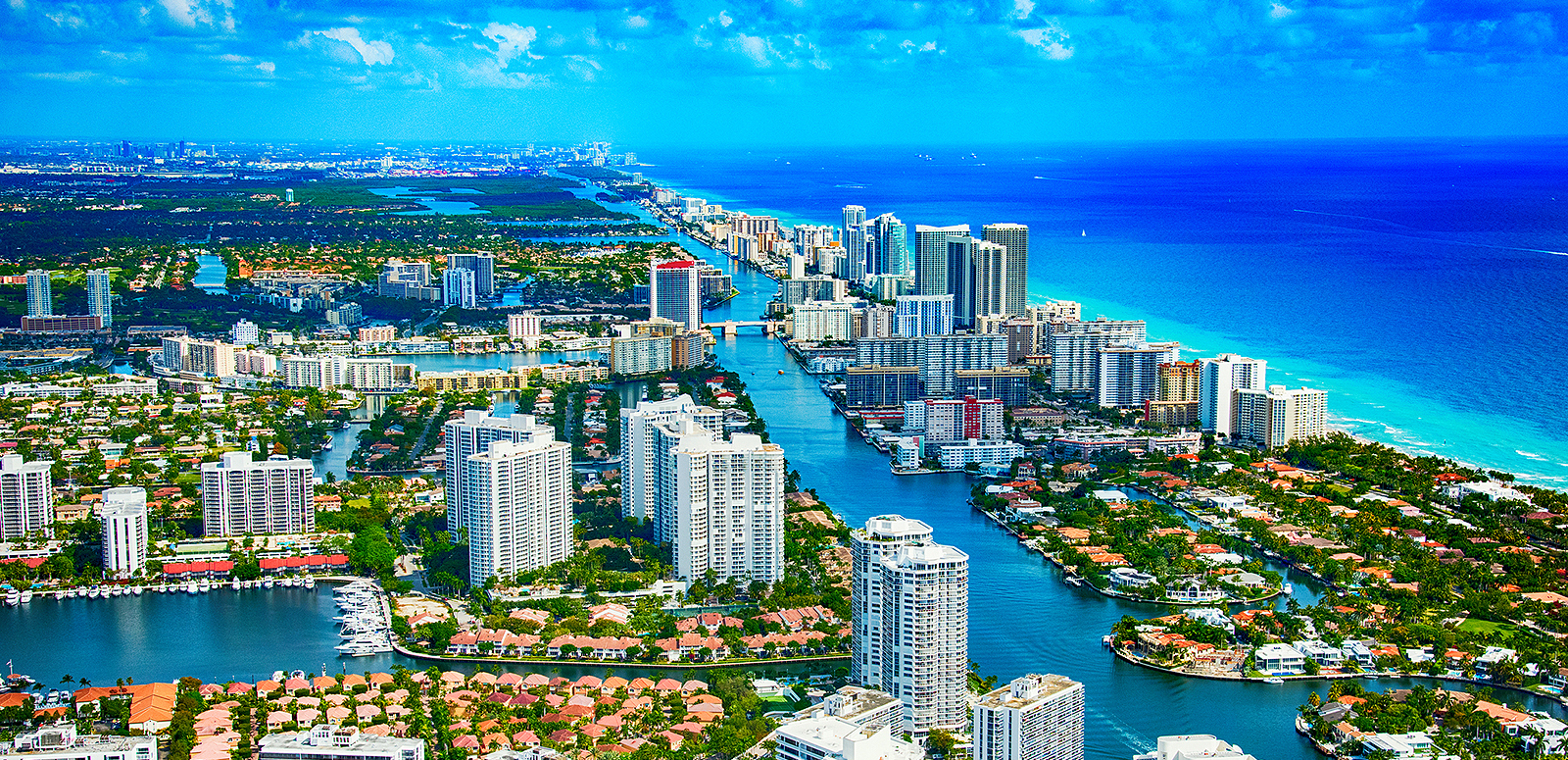
Owners selling investment property here who want to stay in South Dade typically end up widening the search to Cutler Bay, Kendall, or Homestead, where there's simply more inventory to choose from at a comparable yield. That's a practical decision, not a compromise, since the fundamentals, access to US 1, similar tenant demographics, similar rent levels, carry over reasonably well between these neighboring markets.
The identification list should reflect that reality from the start rather than trying to force a match inside village limits. A short list built entirely on Palmetto Bay addresses risks running out of real options before the 45-day window closes.
Coordinating an Exchange When the Target Market Is Someone Else's
The mechanics don't change because the search area is wider: proceeds go to the qualified intermediary, 45 days to identify in writing, 180 days to close. What does change is the coordination workload, since a search spanning Palmetto Bay, Cutler Bay, and Homestead means tracking different municipal zoning and permitting rules for each candidate property rather than working within one jurisdiction.
Build the identification file the way you'd track a multi-site maintenance schedule, one record per property with its own jurisdiction, access notes, and lease status, so the final written identification doesn't blur three different municipalities into one generic South Dade description.
US 1 traffic patterns are worth confirming directly for any candidate property along that corridor, since access can differ significantly depending on which side of the highway a parcel sits and how close it is to a signalized intersection allowing a left turn. A retail bay that looks identical to its neighbor on a site plan can perform very differently once actual ingress and egress are accounted for, which matters more here than it would on a wider, less congested corridor.
Village permitting has historically moved at a measured pace compared to some of its larger neighbors, which is worth building into any renovation or tenant buildout timeline. A buyer expecting a fast permit turnaround based on experience in a bigger municipality should confirm current review times with the village directly rather than carrying over assumptions from elsewhere in the county.
The village's tree canopy and landscaping ordinances are also stricter than in many surrounding municipalities, which can affect signage visibility and parking lot redesign plans for a commercial property. A buyer planning any exterior site work should review these requirements early rather than discovering them mid-permit.
Turn Palmetto Bay Into a Practical Sale Plan
Bring the current property, ownership, expected closing date, estimated equity, debt payoff, management goal, and preferred replacement profile to the first conversation about palmetto bay. Those facts make it easier to separate realistic direct-property, net-lease, and DST paths, surface advisor questions early, and keep credible backup choices visible before the exchange deadline. Free guidance is available whether the sale is still being considered or the property is already under contract.
Common 1031 Exchange Questions
Is there enough local commercial inventory in Palmetto Bay to complete a 1031 identification within the village?
Usually not enough to rely on exclusively, since village zoning has kept commercial development small and concentrated on a couple of corridors. Most owners searching in South Dade widen the search to neighboring Cutler Bay, Kendall, or Homestead.
Do properties in Cutler Bay or Homestead count as reasonable substitutes for Palmetto Bay in an identification search?
They can work well since access, tenant demographics, and rent levels are often comparable across these adjoining South Dade markets. Like-kind treatment applies to any qualifying real property regardless of which municipality it sits in.
What should a buyer track differently when searching across multiple South Dade municipalities at once?
Zoning, permitting, and impact fee rules can differ from one municipality to the next even when the properties look similar on paper. Keeping a separate record per property and per jurisdiction avoids confusion when the written identification is finalized.
Does a narrower local search increase the risk of missing the 45-day identification deadline?
It can, if the search stays limited to Palmetto Bay addresses alone given the smaller inventory. Widening the geographic search early, rather than after a first-choice property falls through, is the more reliable way to protect the deadline.
Are small neighborhood retail centers here considered stable 1031 replacement property?
They can be, since they typically serve consistent local demand rather than depending on regional or tourism traffic. A buyer should still confirm current occupancy and lease terms rather than assuming stability based on the neighborhood alone.