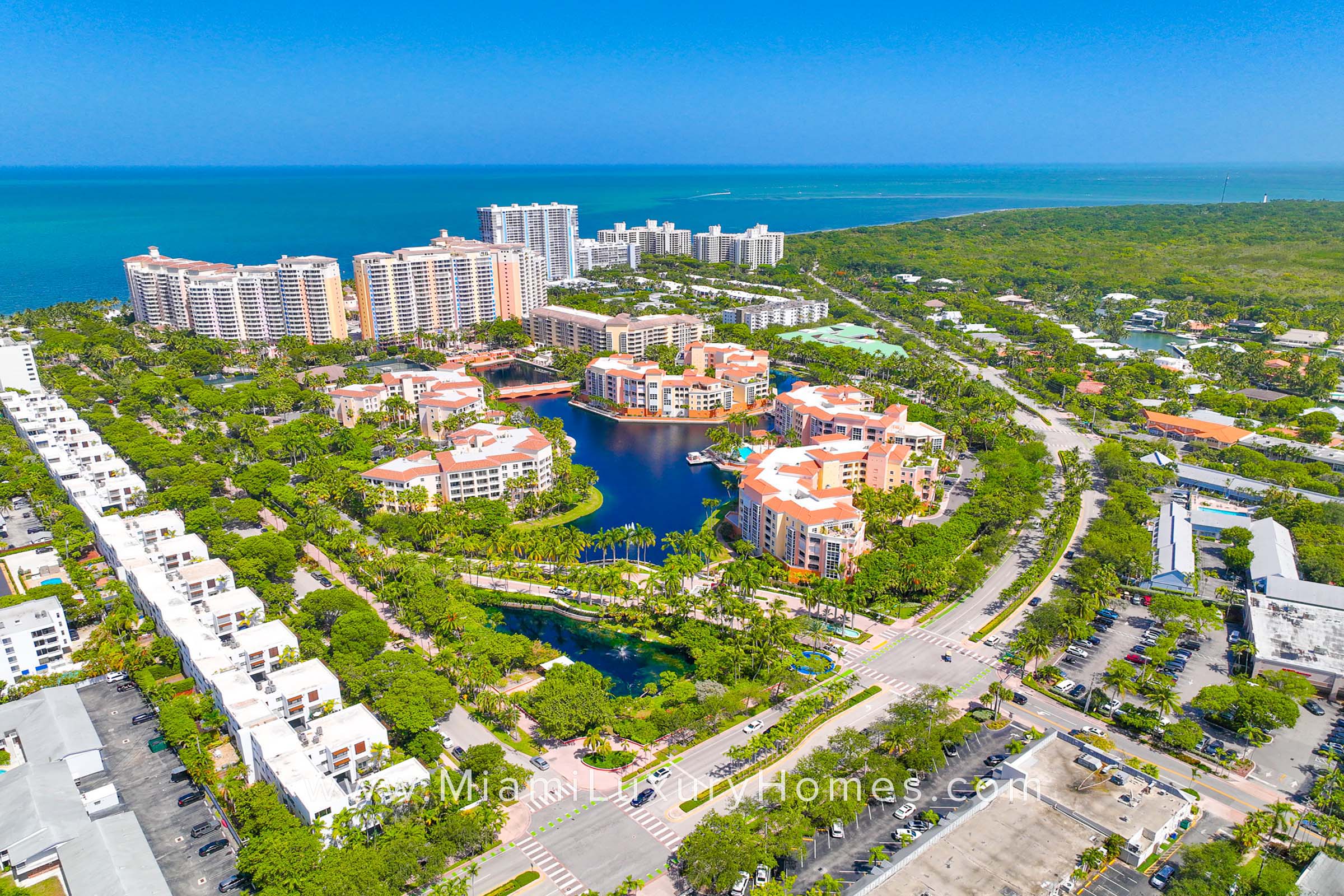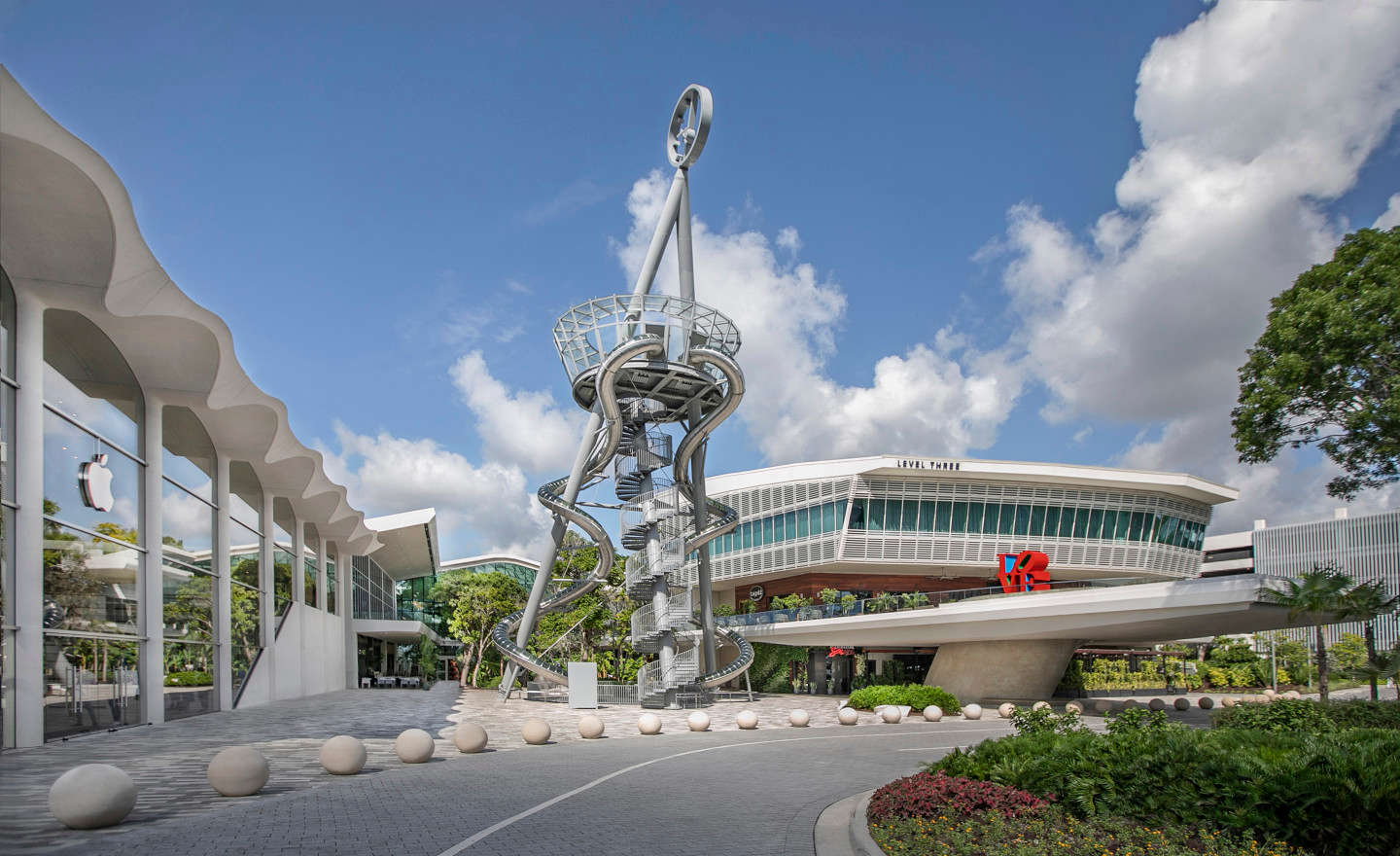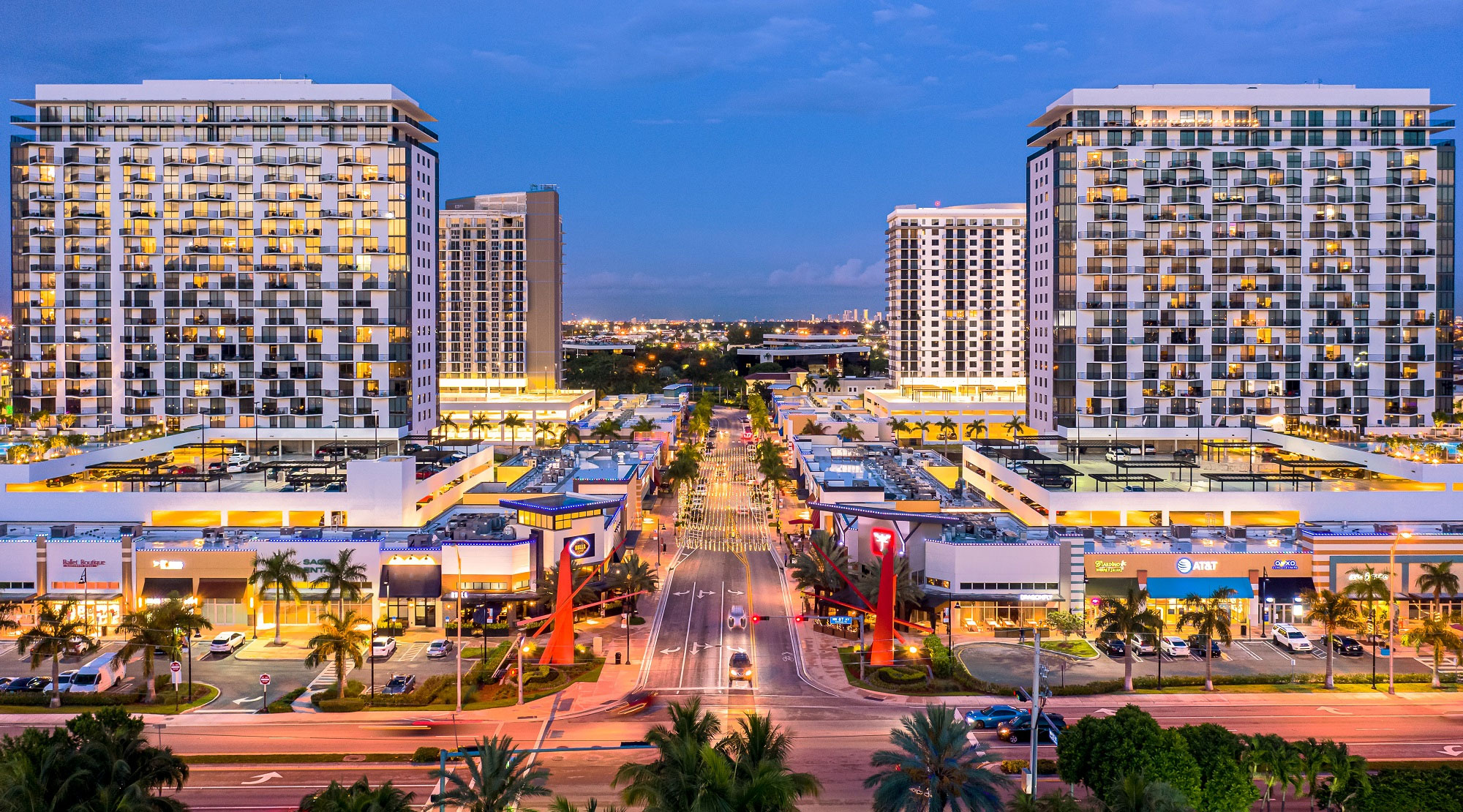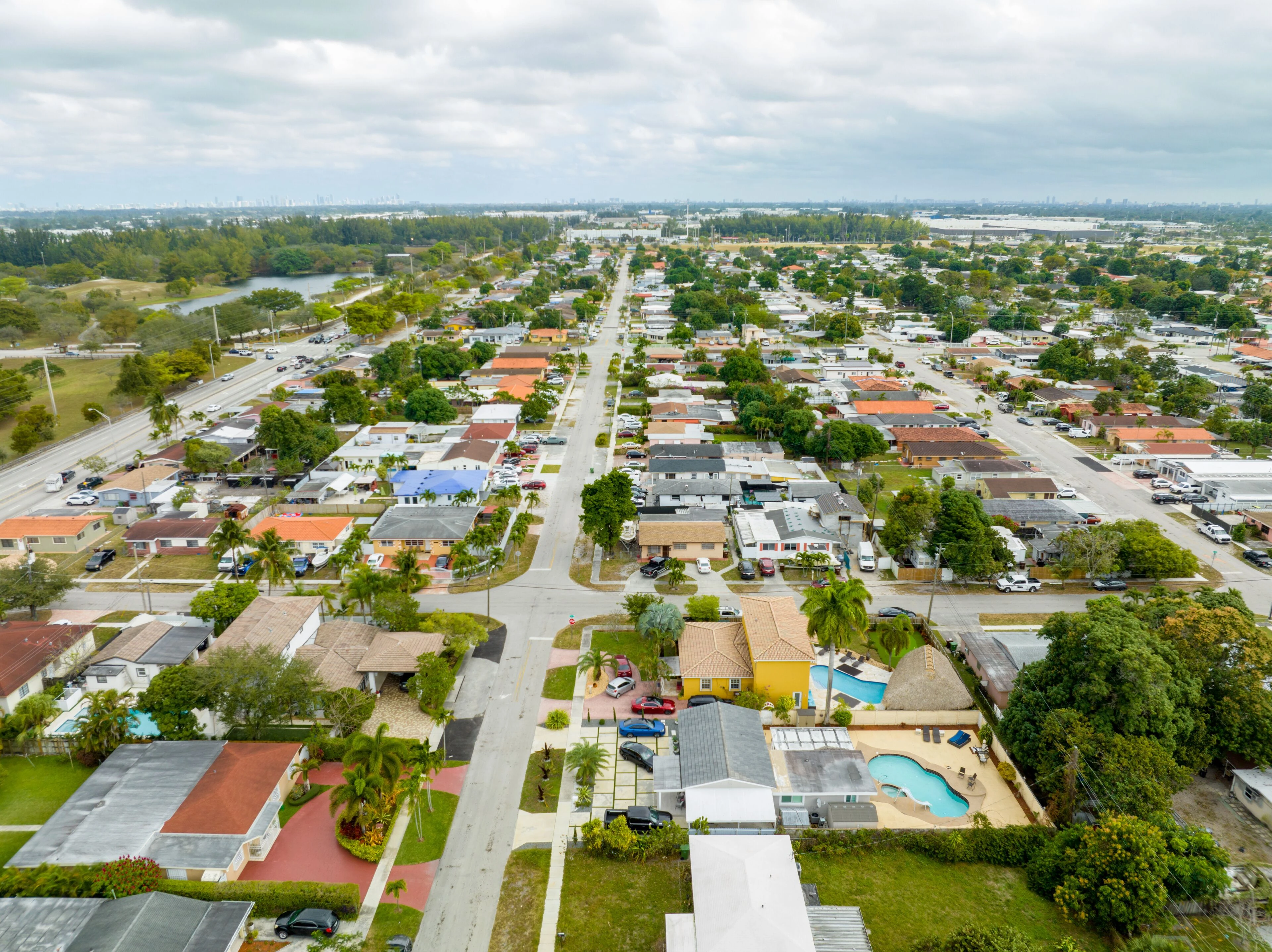
Coconut Grove is old Miami, low-rise, tree-canopied, and built long before anyone was thinking in floor-area ratios. Commercial stock here is small-footprint by nature, boutique retail storefronts, converted office cottages, and mixed-use buildings along Main Highway and Grand Avenue, and an exchange buyer coming from a big-box or garden-style asset elsewhere needs to recalibrate what a normal operating budget looks like at this scale.
What's Actually for Sale in the Village
Replacement stock skews small and older:
- boutique retail storefronts along Main Highway and Commodore Plaza
- converted residential-to-office cottages near McFarlane Road
- mixed-use buildings with ground-floor retail and upper-floor office
- small waterfront-adjacent commercial parcels near South Bayshore Drive
A lot of this stock predates modern building code, which means roof age, electrical panel capacity, and hurricane-rated glazing come up in nearly every inspection, not as red flags necessarily, but as line items that need real numbers attached before anyone signs off on financing.
Tree Canopy and Historic Rules Slow Down More Than People Expect
The Grove's tree canopy ordinance and historic preservation review apply to a meaningful share of the commercial stock, and that means even routine work like exterior signage changes or awning replacement can require a permit review that takes longer than it would in a newer submarket. Anyone underwriting a replacement property here should ask the seller for a full permitting history rather than settling for a certificate of occupancy alone, since unpermitted alterations are common in a neighborhood this old and can surface as a title or code issue after closing.
A building operator new to the Grove should also budget extra lead time for any exterior tenant improvement, since even a routine awning swap can sit in review for weeks longer than the same job would take a few miles away in a newer submarket.
Why the 45-Day Clock Feels Tighter in a Scarce Village Market
Because so little commercial space changes hands in the Grove in any given year, investors often can't build a genuine three-property list from active listings alone. A realistic approach starts outreach to owners before the relinquished property even closes, and treats the 200% rule as a working assumption rather than a fallback, since the honest number of closable candidates inside the village boundary in a 45-day window is often fewer than three.
What a New Owner Takes Over on Day One
Older buildings in the Grove tend to run on a patchwork of vendor relationships built up over years, a roofer who knows the specific flashing details, an electrician familiar with a panel that was never fully modernized, a landscaper managing tree preservation requirements the city cares about. Get a full vendor and service contract list from the seller before closing, because rebuilding that institutional knowledge from scratch costs more time than most buyers budget for.
Where the Search Extends When the Grove Comes Up Short
Coral Gables to the west and South Miami further inland both offer a similar low-rise, walkable tenant profile with more available inventory and slightly less restrictive preservation review. A qualified intermediary should have both listed as backups from the outset, since the underlying documentation requirements don't change even though the permitting environment does.
Marina and Waterfront Parcels Carry Their Own Rulebook
Commercial parcels near South Bayshore Drive and the marina district sit close enough to the water that seawall condition, submerged land leases, and marine-related permitting can all factor into a purchase in ways a landlocked property never would. A seawall that looks fine from a walk-through can still have structural issues below the waterline, so an engineering inspection focused specifically on the seawall, in addition to the building above it, is worth the extra cost on anything near the bay. Buyers should also confirm whether any dockage or submerged land rights are actually owned outright or merely leased from the county, since that distinction changes both the property's value and what a lender will finance against it, and it can also affect whether a tenant's own marine use of the property is even permitted going forward.
Turn Coconut Grove Into a Practical Sale Plan
Bring the current property, ownership, expected closing date, estimated equity, debt payoff, management goal, and preferred replacement profile to the first conversation about coconut grove. Those facts make it easier to separate realistic direct-property, net-lease, and DST paths, surface advisor questions early, and keep credible backup choices visible before the exchange deadline. Free guidance is available whether the sale is still being considered or the property is already under contract.
Common 1031 Exchange Questions
Does the tree canopy ordinance affect a sale of commercial property in the Grove?
It can affect what a new owner is permitted to do with the site afterward, particularly around parking expansion or exterior work, so review the ordinance's requirements during diligence rather than after closing.
Are older office cottages here treated as commercial or residential for exchange purposes?
What matters for like-kind treatment is that the property is held for investment or business use, regardless of its original residential design, so a converted cottage used as office space generally qualifies.
Is it realistic to find three closable candidates in the Grove within 45 days?
Not always. Inventory turnover is low enough that many investors rely on the 200% identification rule or pair Grove candidates with backups in Coral Gables or South Miami to keep the list workable.
What should I ask a seller for if the building predates current hurricane glazing codes?
Request the permitting and inspection history along with any wind mitigation reports, since older glazing can affect insurance premiums and lender requirements even if the building is otherwise sound.
Do I need a separate inspection for a seawall on a waterfront commercial parcel?
Yes, a general building inspection typically won't cover below-waterline seawall condition, so a dedicated marine engineering assessment is worth the added cost before finalizing identification on anything near the bay.
How far in advance should I start outreach to owners if I want a Grove property?
As early as possible, ideally before your relinquished property even closes, since the village's low turnover means the strongest candidates are often found through direct outreach rather than active listings alone.