The three-property rule works fine when you already know which building you want. The 200 percent rule is for the exchanges where you do not, because the deal you like most keeps losing to a cash buyer or an international offer, and you need enough named backups to still close on time. In Miami, that spread usually means naming assets across more than one submarket rather than three variations of the same deal.
Most exchangers only reach for this rule after a first attempt at a short list falls apart under real competition. Planning for it from the start, rather than backing into it after losing a bid, gives you more control over which assets end up on the list and why.
Why a Single-Submarket List Falls Short Here
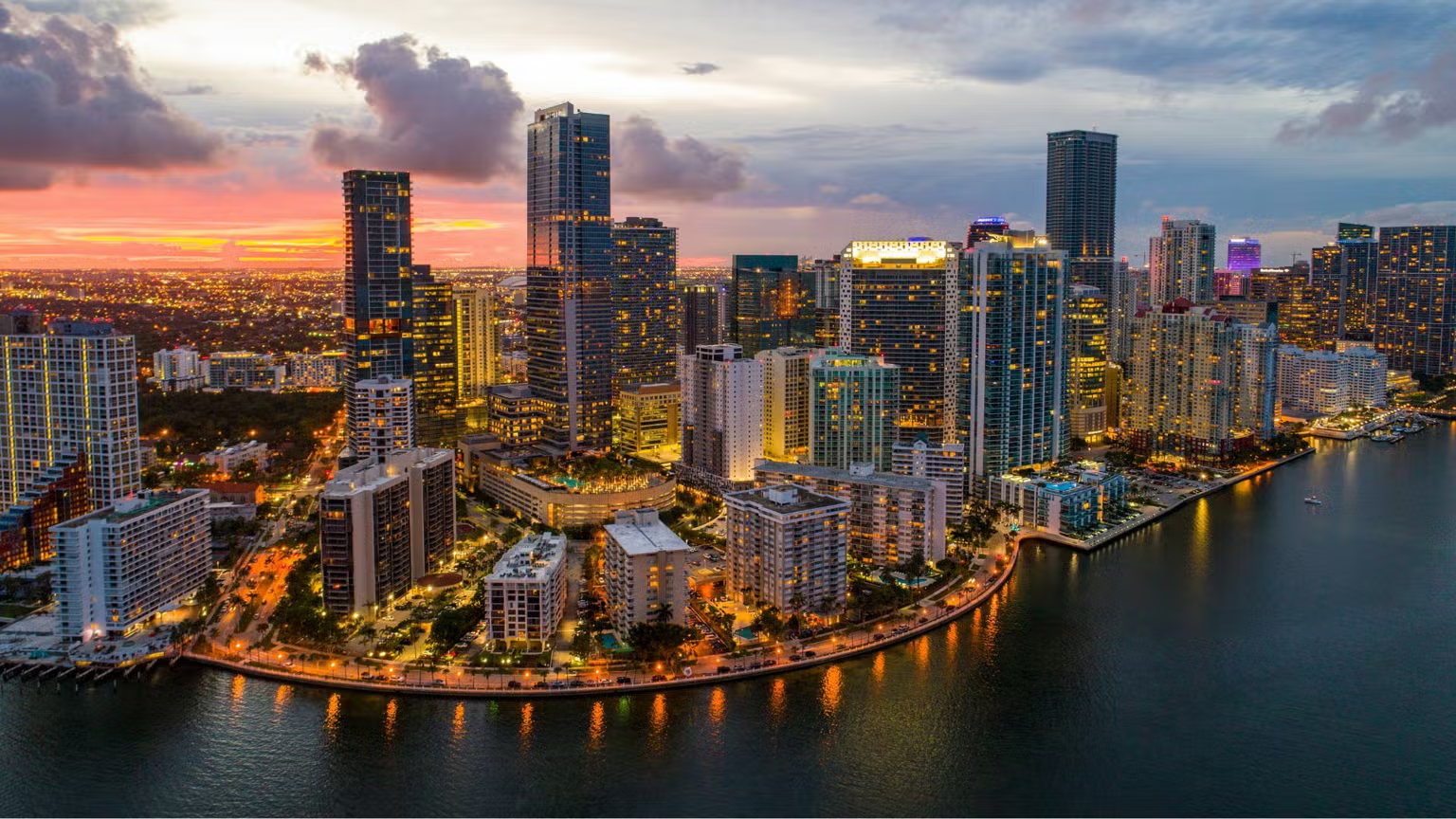
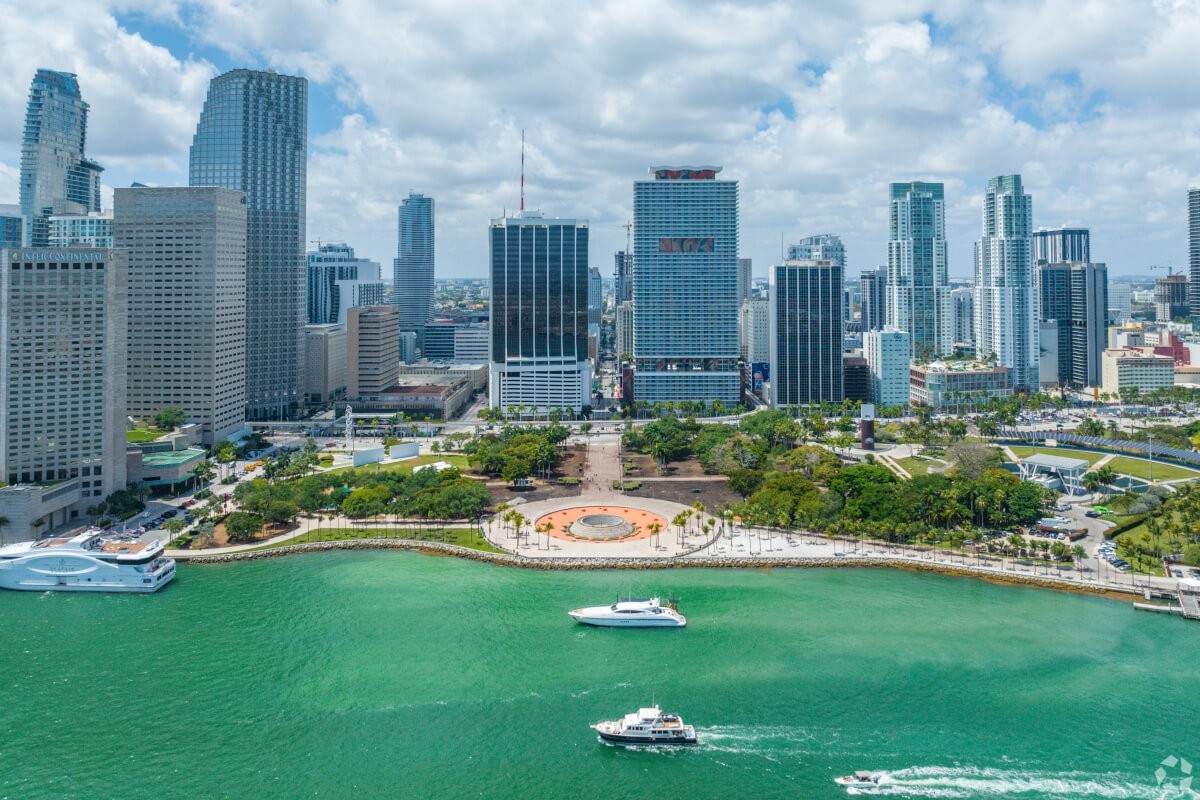
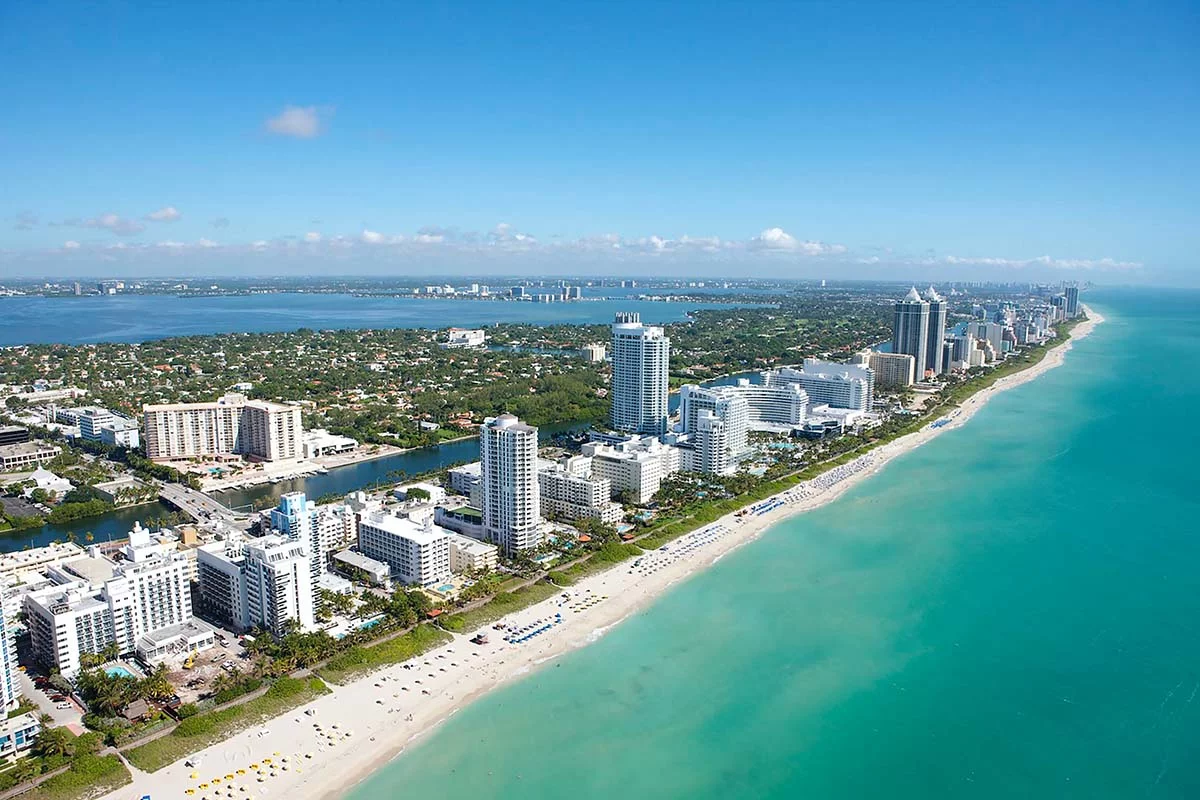
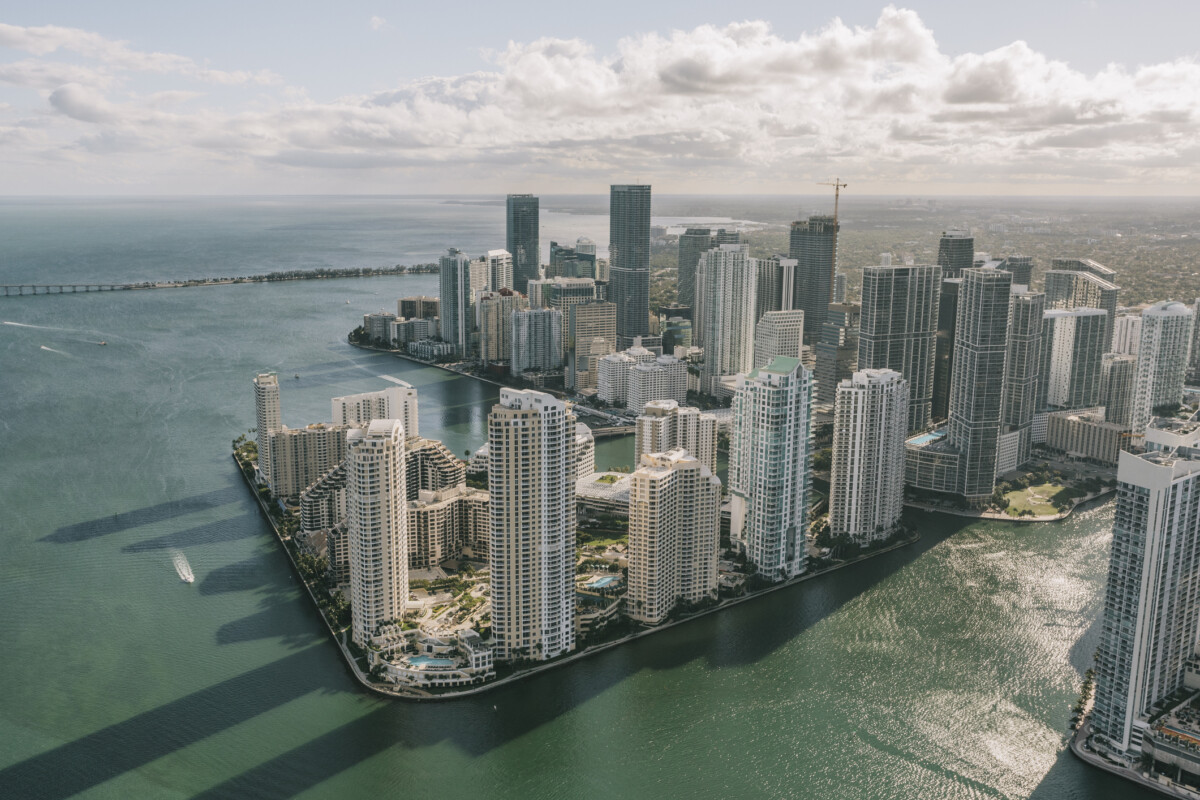
Bidding on Brickell and downtown office and multifamily stays crowded, Doral and the airport-west industrial corridor moves fast on price, and Wynwood retail turns over in small, oddly sized parcels. Naming five or six properties spread across two or three of those areas gives you real fallback if one falls through, instead of five names that all depend on the same lender, the same seller pool, or the same competing buyer showing up again.
Running the Value Math Without Guessing
The 200 percent limit is measured against the fair market value of the property you sold, and it uses current pricing, not the number you had in mind three months ago. Pull updated broker opinions or fresh listing prices before you finalize the list, since Miami pricing on smaller commercial assets moves quickly enough that a stale number can push you over the cap without you noticing.
Recheck the running total every time a candidate is added or a price changes on an existing one, rather than doing the math once at the start and assuming it still holds three weeks later.
- relinquished property net sale value confirmed with your QI
- current asking or contract price for every candidate on the list
- running total checked before each addition, not after
- backup assets grouped by submarket so a fallback is a real fallback
- final list dated and delivered in writing before day 45
Where Diversifying Actually Helps
A longer list is worth the extra tracking when your relinquished sale funded a large basis and no single Miami asset feels like a clean fit, or when insurance underwriting on a coastal or older building is uncertain enough that you want a second path already named. It is also useful when you are weighing a direct acquisition against a DST allocation and want both options preserved past day 45.
It is less useful when the exchange is a straightforward, well-matched trade, since a longer identification list in that case adds tracking overhead without adding real protection. Match the strategy to the actual uncertainty in the deal rather than defaulting to a broad list out of habit.
Keeping the List From Becoming a Liability
More names on the identification notice means more moving pieces to track, not less risk. Assign each candidate a status, a lender contact if financing is involved, and a note on what would disqualify it, so the list functions as a working document rather than a wish list you assembled once and forgot.
How Many Names Actually Make Sense
There is no fixed number that works for every exchanger, but a list that grows past six or seven properties usually starts costing more in tracking time than it returns in optionality. Somewhere around four to six well-vetted candidates, spread across enough submarkets to avoid a shared point of failure, tends to strike a workable balance between coverage and manageability.
Beyond that range, the value of an additional backup drops fast, since you can only meaningfully track lender feedback, seller responsiveness, and diligence on so many properties inside a 45-day window.
Turn 200% Rule Strategy Into a Practical Sale Plan
Bring the current property, ownership, expected closing date, estimated equity, debt payoff, management goal, and preferred replacement profile to the first conversation about 200% rule strategy. Those facts make it easier to separate realistic direct-property, net-lease, and DST paths, surface advisor questions early, and keep credible backup choices visible before the exchange deadline. Free guidance is available whether the sale is still being considered or the property is already under contract.
Common 1031 Exchange Questions
Can I name more than three replacement properties in Miami without limit?
Yes, under the 200 percent rule, as long as the combined fair market value of everything on the list stays at or under twice the value of the property you sold.
Does the 200 percent rule require me to close on every listed property?
No. You only need to acquire enough of the identified properties to satisfy your reinvestment target; the extra names exist as backups, not commitments.
How current does pricing need to be for the value calculation?
Current enough to reflect the actual market, since Miami asking prices on smaller commercial assets can shift meaningfully within weeks of your identification deadline.
Is spreading a list across Doral industrial and Brickell office a mistake?
Not inherently. Spreading across submarkets can reduce the chance that one lender delay or one competing bid takes out your entire list at once.
What if my updated value calculation puts me over 200 percent?
Drop the lowest-priority candidate before the deadline rather than after; adjusting the list before day 45 is straightforward, adjusting it after is not.
Is there a practical limit to how many properties I should list?
Beyond roughly six or seven, tracking becomes harder to manage than the extra optionality is worth, so four to six well-vetted candidates is a common working range.
Does every Miami exchange benefit from a broader identification list?
No. A well-matched, straightforward exchange often does better with a short, focused list; the 200 percent approach earns its keep mainly when real uncertainty exists in the deal.