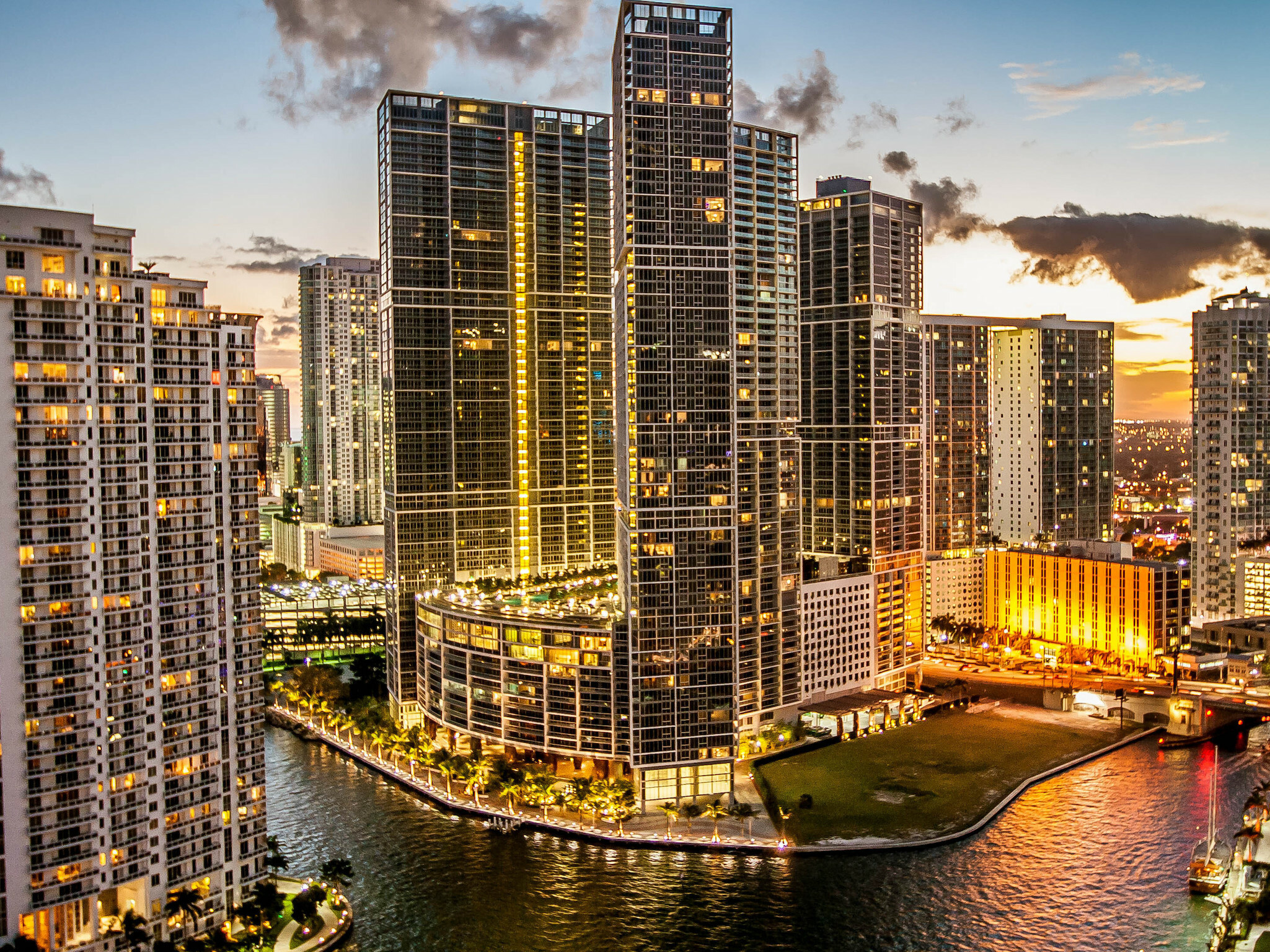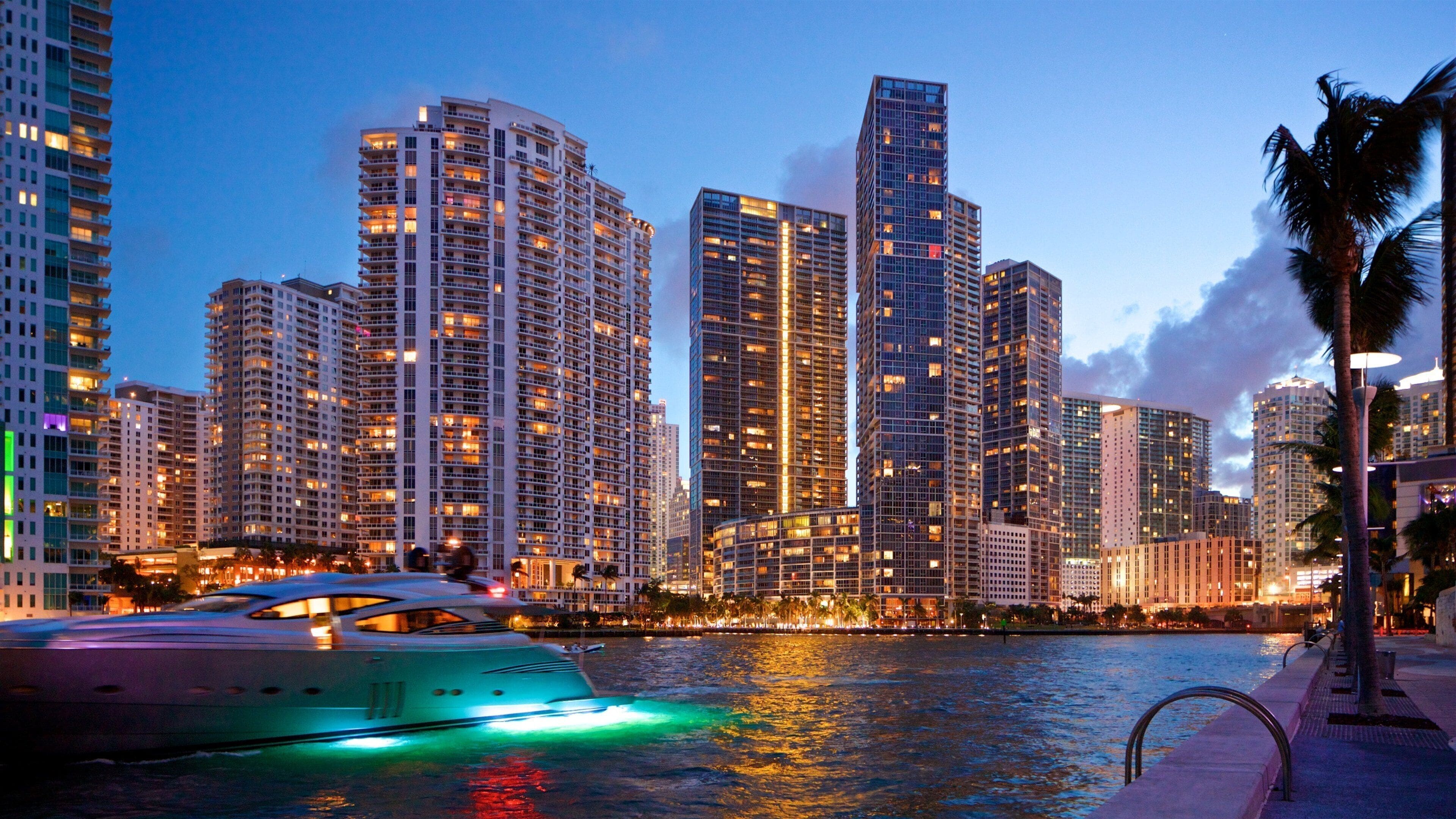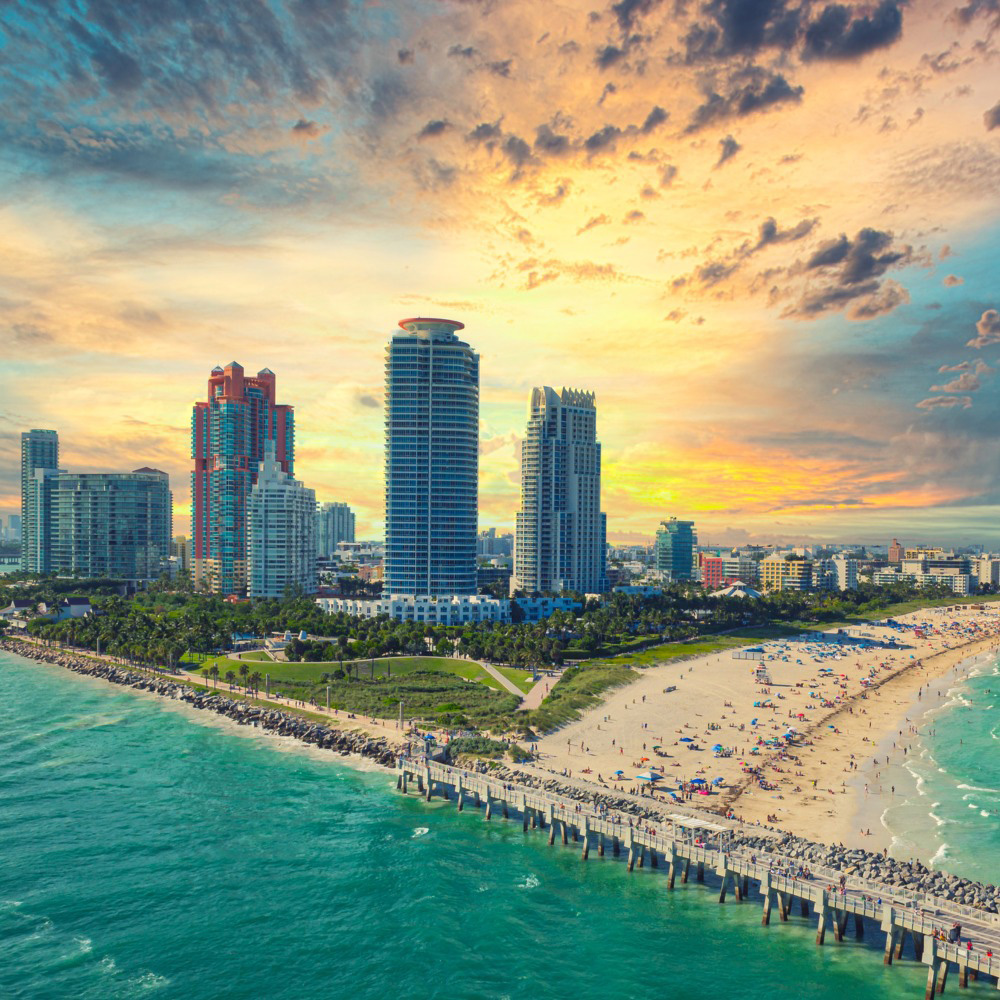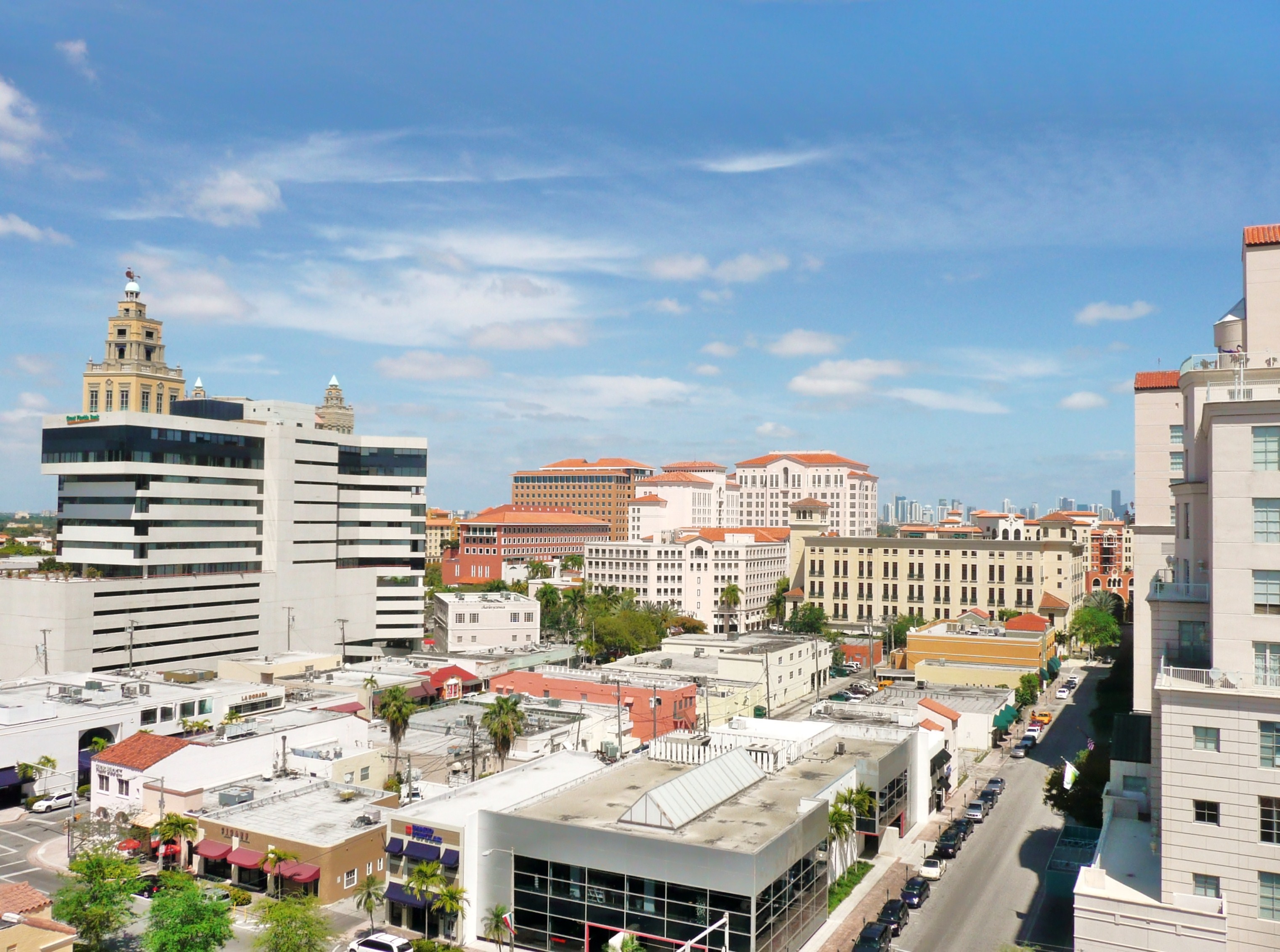
The City of Miami outside its downtown core is really a string of small, distinct neighborhoods, each running on a different building type and a different tenant profile. A replacement-property search here has to treat Wynwood, the Design District, Edgewater, Little Havana, and Allapattah as separate markets, not one city-wide number.
A City of Neighborhoods, Not One Market
Wynwood built its retail identity out of converted warehouses, so a landlord there is managing exposed structure, older roofing, and retrofit HVAC rather than a purpose-built retail shell. The Design District next door runs the opposite way, ground-up luxury retail with high finish standards and single-tenant flagship leases. Edgewater is condo and office towers along Biscayne Bay, while Little Havana is dominated by small, older commercial buildings on short blocks with limited off-street parking.
Treat each one as its own asset class when you're building a comparable set. A cap rate that makes sense on a converted warehouse in Wynwood won't translate cleanly to a ground-up retail building in the Design District, even though both addresses read as Miami on paper.
Where the Warehouse Conversions Are Happening
Allapattah, historically home to the produce market district, has been absorbing overflow from Wynwood's rezoning as older industrial buildings get repositioned into galleries, small manufacturing, and creative office space. That conversion activity means older electrical services, roof structures, and loading configurations built for produce trucks, not retail customers, which changes what capital work a buyer should expect to inherit.
The asset types repeat across these conversion-heavy neighborhoods:
- converted warehouse and light-industrial retail or gallery space
- ground-up luxury retail with single-tenant leases
- small mixed-use commercial buildings on narrow lots
- condo and office towers along the bay
- produce-district buildings mid-conversion to creative or flex use
Little Havana and the Small Commercial Building Problem
Little Havana's commercial stock is mostly small, older buildings, several storefronts wide, built decades before current parking and accessibility code, on blocks with limited off-street parking. A replacement-property buyer here should expect to inherit deferred maintenance, older wiring and plumbing, and a tenant base of long-standing small operators whose lease terms may not match current market rent.
None of that makes the neighborhood a poor 1031 target, but it changes what due diligence needs to catch. A building inspection that only checks roof and structure will miss the parking variance history and legacy lease terms that actually drive this submarket's returns.
Coordinating Identification Across Multiple Micro-Markets
The 45-day identification window and 180-day closing period run the same regardless of neighborhood, and the qualified intermediary's role doesn't change either. What does change is how much ground a buyer's team needs to cover if the search spans Wynwood, the Design District, Edgewater, Little Havana, and Allapattah at once, since each neighborhood has its own zoning quirks, parking rules, and tenant expectations to verify.
Run it the way you'd run a multi-site facilities audit: one checklist, applied consistently, but with a neighborhood-specific column for zoning, parking, and deferred maintenance flags so the identification list reflects real differences instead of a single generic Miami description.
Overtown, just west of downtown, adds another layer worth tracking separately: a historically significant commercial corridor now seeing renewed investment interest tied to nearby transit and stadium development, but still carrying some of the oldest and least-renovated commercial building stock in the city. A buyer weighing an Overtown property against one in Edgewater or Wynwood is really comparing three different risk and renovation profiles that happen to share a city name.
Edgewater's high-rise product also deserves its own scrutiny within this list, since many towers there were built as residential condominium first and later added ground-floor commercial or office condo units, which means the commercial space often reports to a residential association rather than operating as a stand-alone building. Confirming how that association structure affects a commercial unit's rules and reserves is worth doing before it goes on the identification list.
Turn Miami Into a Practical Sale Plan
Bring the current property, ownership, expected closing date, estimated equity, debt payoff, management goal, and preferred replacement profile to the first conversation about miami. Those facts make it easier to separate realistic direct-property, net-lease, and DST paths, surface advisor questions early, and keep credible backup choices visible before the exchange deadline. Free guidance is available whether the sale is still being considered or the property is already under contract.
Common 1031 Exchange Questions
Should a 1031 identification list treat Wynwood and the Design District as the same submarket?
No. They sit blocks apart but run on different building types and tenant profiles, converted warehouse retail versus ground-up luxury retail, so comparables and expected capital needs differ. Listing them as interchangeable in an identification description can create confusion later if a lender or the qualified intermediary asks for support.
What should due diligence catch on a converted warehouse property in Allapattah or Wynwood?
Look closely at roof age, electrical service capacity, and whether the loading configuration still serves the building's current use, since these buildings were built for industrial or produce-district function rather than retail. A standard inspection checklist built for ground-up retail can miss these items.
Are small, older commercial buildings in Little Havana still viable 1031 replacement property?
Yes, they qualify as like-kind real property the same as any other commercial asset. The diligence focus should shift toward parking variance history, deferred maintenance, and existing lease terms rather than assuming a standard retail underwriting model applies.
Does searching across multiple Miami neighborhoods at once complicate the 45-day identification deadline?
It adds coordination work but not legal complexity, since the identification rules apply the same way regardless of how many submarkets are searched. The practical risk is running out of time to verify zoning and condition details across several distinct neighborhoods before the deadline.
Can a qualified intermediary help evaluate which Miami neighborhood fits an investor's goals?
A qualified intermediary's role is limited to holding proceeds and administering the exchange, not advising on market selection. That evaluation typically falls to a broker or advisor familiar with the specific neighborhoods under consideration.