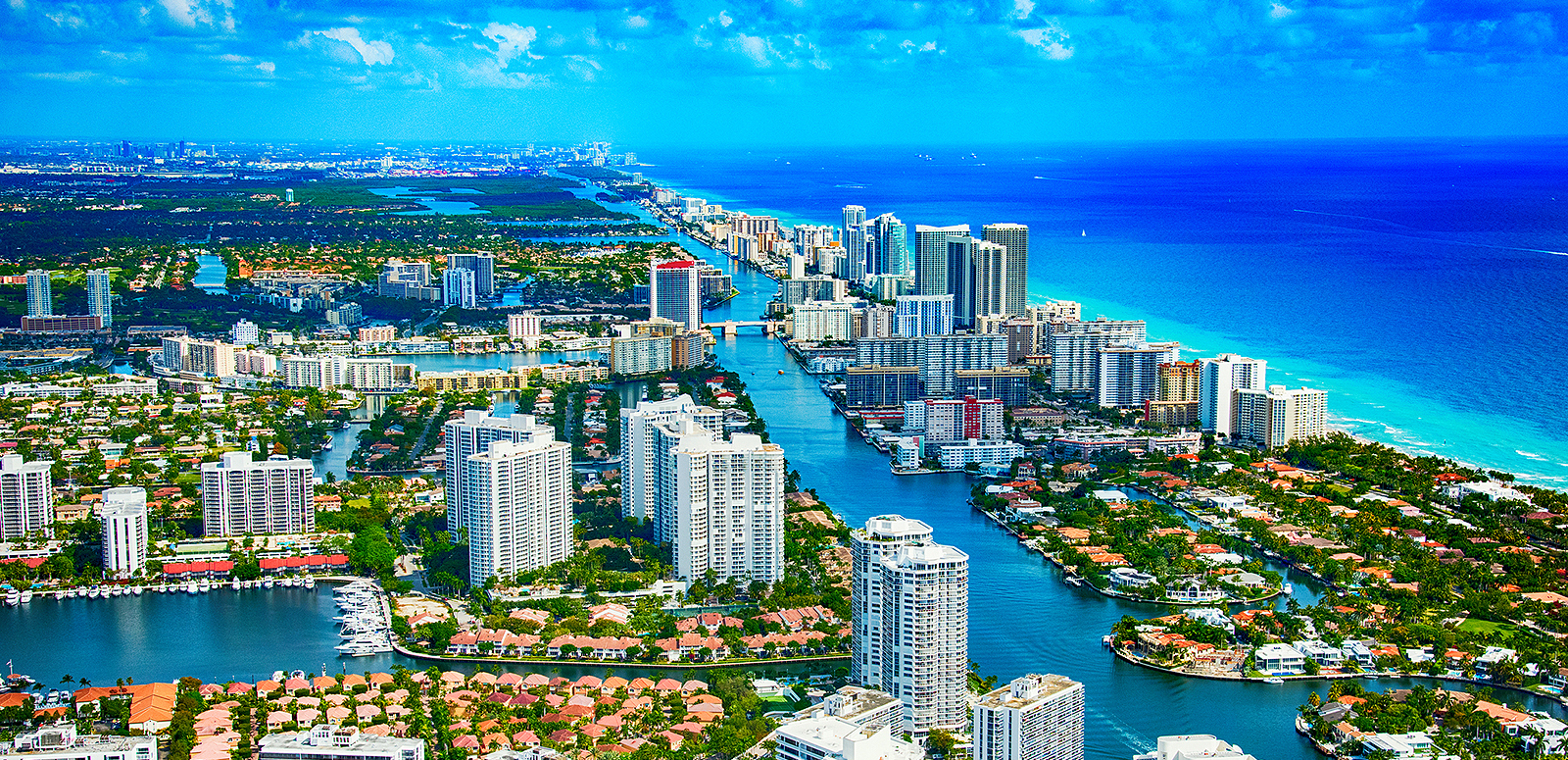
Miami Lakes was built as a planned community from the start, and its commercial stock still shows it: corporate office parks, low-rise flex buildings, and neighborhood retail laid out along a handful of corridors rather than scattered organically like an older Miami-Dade town. That planning history makes the building stock unusually consistent for anyone comparing replacement property.
A Company Town Defined by Its Office Parks
Corporate users have anchored this town for decades, drawn by lower rents than Doral or the airport corridor and easy access to both Miami-Dade and Broward labor pools. The office parks here run mid-rise, suburban campus style, with surface parking rather than structured garages, which keeps operating costs lower but also caps how much a landlord can push density without a major redevelopment.
If you manage a building, you know the tradeoff: lower parking cost now, less flexibility later if a tenant wants a bigger footprint than the site plan allows. That tradeoff shows up directly in how these office parks are underwritten as 1031 replacement property.
Palmetto Expressway Access Is the Whole Story
The Palmetto Expressway runs along the town's eastern edge, with Interstate 75 and the Gratigny Parkway giving fast access north and west. That access is the reason corporate and flex tenants choose Miami Lakes over more central submarkets, and it's the first thing to verify on any property here: distance to an interchange affects both current rent and how quickly a vacant space re-leases.
Flex and Light Industrial Behind the Office Towers
Behind the office corridor sits a layer of flex and light-industrial product that doesn't get the same attention but often performs just as well:
- suburban corporate office buildings with surface parking
- flex and light-industrial space with small warehouse bays
- neighborhood and community retail centers
- medical and professional office suites
- small multifamily near the town's residential core
These flex buildings usually carry a mix of light assembly, storage, and showroom tenants rather than a single-use profile, which spreads out lease rollover risk compared to a single-tenant office building.
Coordinating With a Property Management Company That Runs the Whole Town
Much of Miami Lakes' commercial real estate has historically been managed under long-running local ownership and management relationships rather than a rotating cast of national operators, which means building records, maintenance history, and tenant relationships are often better documented here than in a submarket with frequent ownership turnover.
That's worth using during identification. A qualified intermediary handles the exchange mechanics, proceeds, the 45-day identification, the 180-day close, but the maintenance and lease history that actually predicts whether a building performs comes from whoever has managed it day to day, and that record is usually easier to get here than in a market with a shorter ownership memory.
Vacancy in these office parks tends to move in longer cycles than a coastal or downtown building, since suburban corporate tenants sign longer terms and relocate less often once they've built out a space. That means a single vacant suite here can sit longer between tenants than the same square footage would in a more liquid submarket, and a buyer should price that slower re-lease timeline into the underwriting rather than assuming turnover matches a downtown comparable.
Retail centers in the town's residential core tend to run on a similarly steady basis, led by grocery, banking, and service tenants that draw from the surrounding neighborhoods rather than regional traffic. That steadier profile makes these centers a reasonable fit for an investor prioritizing income consistency over upside, which is worth naming explicitly when comparing this submarket against a faster-turning one closer to the coast.
Turn Miami Lakes Into a Practical Sale Plan
Bring the current property, ownership, expected closing date, estimated equity, debt payoff, management goal, and preferred replacement profile to the first conversation about miami lakes. Those facts make it easier to separate realistic direct-property, net-lease, and DST paths, surface advisor questions early, and keep credible backup choices visible before the exchange deadline. Free guidance is available whether the sale is still being considered or the property is already under contract.
Common 1031 Exchange Questions
Why do corporate tenants choose Miami Lakes over Doral or the airport corridor?
Rents here typically run lower than those closer-in submarkets while still offering fast Palmetto Expressway and I-75 access, which appeals to back-office and regional operations that don't need a downtown address. That rent gap is part of why occupancy in the town's office parks has stayed relatively stable.
Does flex industrial space in Miami Lakes qualify as 1031 replacement property for an office sale?
Yes, real property held for investment or business use is like-kind regardless of asset class, so flex or light-industrial space can replace an office building. A tax advisor should confirm the specifics, particularly if the sale involved any personal property.
What should a buyer verify about parking before identifying a Miami Lakes office building?
Confirm the current parking ratio against code and against what a prospective tenant would expect, since most of these office parks use surface parking with limited room to add spaces without a site redesign. A ratio that's already tight limits future leasing flexibility.
How does proximity to an interstate interchange affect rent in this submarket?
Properties closer to a Palmetto Expressway or I-75 interchange generally command higher rent and lease up faster than those requiring a longer drive to access, since tenants here are choosing the location specifically for highway access. Distance to the nearest interchange is worth confirming as part of any comparable analysis.
Is building and lease documentation typically easier to obtain here than in other Miami-Dade submarkets?
Many properties in Miami Lakes have been under long-term local ownership and management, which tends to mean more complete maintenance and lease records than a submarket with frequent ownership turnover. That's not guaranteed on every building, so it should still be verified during due diligence rather than assumed.