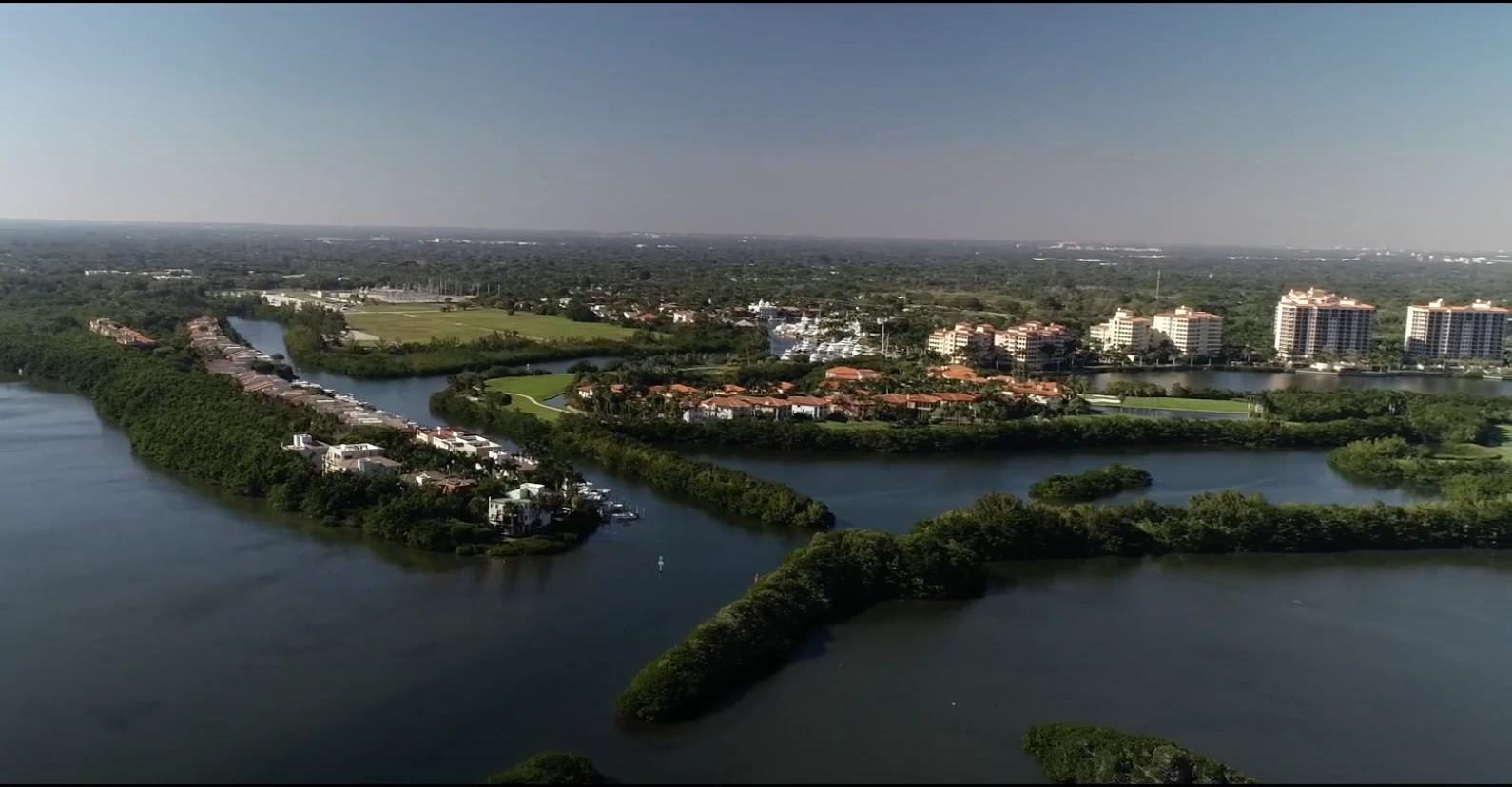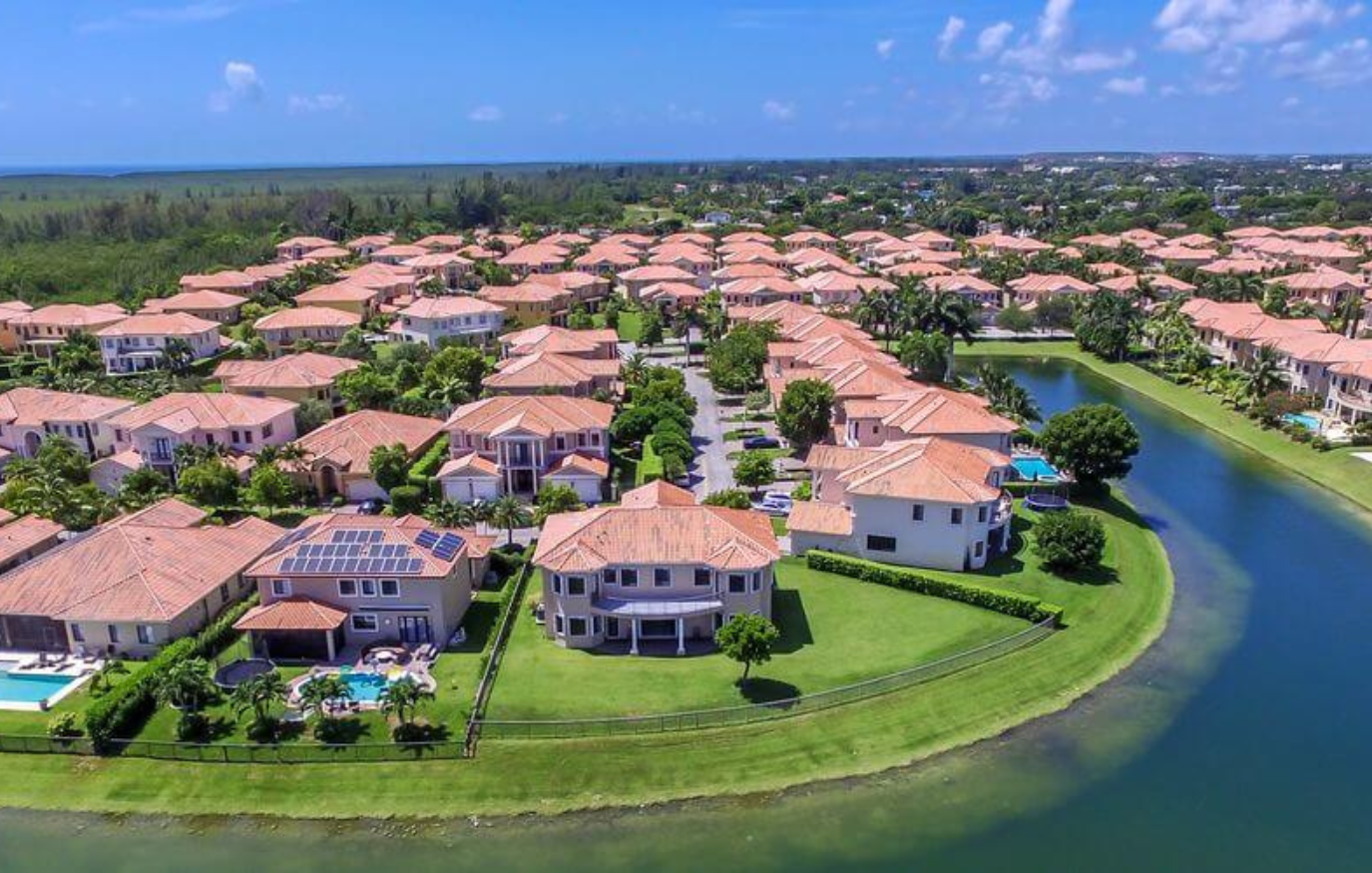
Pinecrest is large lots and single-family homes first, with a commercial footprint so small that most residents could name every retail block in the village without much effort. Investment property here is usually the thing an owner is exchanging out of, not into.
Large Lots, Small Commercial Footprint
Village zoning has protected residential character for decades, which is a large part of why property values here have held up well, but it also means commercial and multifamily zoning is limited to a few defined nodes rather than spread across the village. That scarcity cuts both ways for a 1031 investor: it supports strong rents on the commercial parcels that do exist, but it leaves very little inventory to actually buy.
The Village Center Is the Commercial Market
Almost all of what counts as commercial property sits along US 1 or near the Pinecrest Gardens and village center area, with a smaller strip near Old Cutler Road. The categories are narrow:
- small professional and medical office suites
- neighborhood retail along US 1
- rental single-family and small multifamily nearby
- service commercial fronting South Dixie Highway
- a limited number of passive, off-village replacement options investors typically add
Why Pinecrest Owners Exchange Out, Not Into
Owners here holding an appreciated rental home or small commercial parcel frequently use a 1031 to move into a different asset class entirely, net lease retail, multifamily elsewhere in Miami-Dade, or a passively managed replacement, rather than trying to trade laterally within the village. The reasoning is simple: there's rarely a comparable local property available at the moment a sale closes.
That's a legitimate exchange strategy, not a workaround. Like-kind treatment covers the move from a Pinecrest rental property into a different property type and location as long as both sides are real property held for investment or business use.
Coordinating Closing on a Property That Rarely Turns Over
Because turnover is low here, comparable sales data can be thin, which makes an accurate valuation take longer to pin down than in a more liquid submarket. That's worth building into the identification timeline rather than assuming an appraisal or broker opinion of value will come together quickly.
Run the file the way you'd track a piece of equipment that rarely needs service, when something does come up, you want the maintenance history pulled and reviewed early rather than scrambling once the clock is already running. Get title work, survey, and any HOA or association documentation started as soon as the relinquished property is under contract.
The village's strong public schools drive a meaningful share of residential demand here, which indirectly supports the small commercial nodes serving that population, tutoring centers, pediatric and family medical practices, and neighborhood service retail. That demand driver is worth naming explicitly in an identification file rather than treating the village's income property as generic residential rental, since it's the reason vacancy on the commercial side has stayed low despite the limited supply.
Pinecrest Gardens, the botanical park and event space near the village center, also anchors a small but steady flow of visitor traffic that supports the handful of restaurant and retail tenants nearby in a way that isn't obvious from a standard traffic count alone. A buyer evaluating one of these village-center parcels should weigh that local draw alongside the more conventional US 1 corridor traffic when projecting future leasing demand.
Building age is another factor worth flagging, since much of the village's limited commercial stock dates back several decades and was built to older code standards for parking ratio and accessibility. A buyer should budget realistically for code-related upgrades triggered by any meaningful renovation rather than assuming an older building can be repositioned without touching those requirements.
Tree canopy protections here are also notably strict, and any exterior renovation or expanded parking plan should be checked against the village's landscaping ordinance before it's built into a redevelopment budget.
Turn Pinecrest Into a Practical Sale Plan
Bring the current property, ownership, expected closing date, estimated equity, debt payoff, management goal, and preferred replacement profile to the first conversation about pinecrest. Those facts make it easier to separate realistic direct-property, net-lease, and DST paths, surface advisor questions early, and keep credible backup choices visible before the exchange deadline. Free guidance is available whether the sale is still being considered or the property is already under contract.
Common 1031 Exchange Questions
Is there enough commercial inventory in Pinecrest itself for a 1031 buyer to identify replacement property locally?
Rarely. Commercial and multifamily zoning is limited to a few nodes along US 1 and the village center, so most owners searching for replacement property look beyond the village limits.
Can an owner exchange a Pinecrest rental home into a completely different asset class, like net lease retail?
Yes, as long as both properties are real property held for investment or business use, the exchange isn't limited to a similar property type or location. A tax advisor should confirm the specific facts before the identification is finalized.
Why does comparable sales data run thin for Pinecrest commercial property?
Low turnover means fewer recent transactions to draw from, which can make an appraisal or valuation opinion take longer to support with hard comps. Building extra time into the process for valuation work is worth planning for here.
Does the 45-day identification window change if an owner is exchanging into a different market entirely?
No, the 45-day and 180-day deadlines apply the same way regardless of where the replacement property is located. What changes is the amount of research needed to properly identify a property outside the seller's home market.
What documentation should get started earliest when selling investment property in a low-turnover village like Pinecrest?
Title work, a current survey, and any homeowners or civic association documentation should be requested as soon as the property is under contract, since these can take longer to produce when the property hasn't changed hands in years.