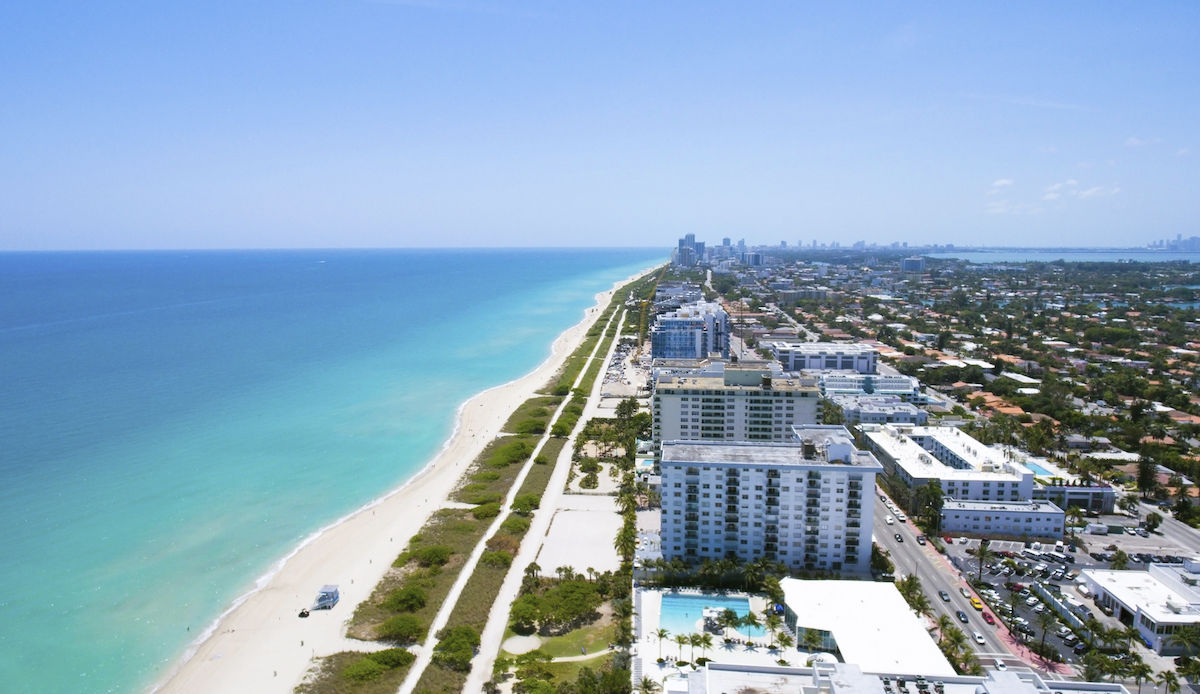
Bal Harbour is small on purpose. The whole village sits under a square mile, most of its commercial square footage is inside or around Bal Harbour Shops, and there is almost no vacant land left to build on. An exchange buyer looking here is underwriting scarcity, and a facilities team taking over a property in this footprint should expect service contracts written for a very tight, very high-end operating standard.
The Short List of What Actually Trades
Commercial inventory is thin and concentrated:
- luxury retail bays inside Bal Harbour Shops
- small oceanfront mixed-use commercial units
- condo-commercial suites in beachfront towers
- boutique office space serving on-site retail tenants
Because so little of this trades in any given year, deals tend to move on relationships as much as listings, and an investor who waits for something to hit an open market can end up watching the window close with nothing under contract.
Why the 200% and 95% Rules Come Up More Often Here
With so few genuinely available candidates inside the village limits, investors identifying replacement property in Bal Harbour often can't rely on a clean three-property list and instead lean on the 200% rule, naming more candidates at a higher combined value, or the 95% rule, which requires closing on nearly everything identified. Either path needs to be chosen deliberately in week one, not backed into after the 45-day window is already half gone.
Retail Leases Read Differently at This Price Point
Because so much of the retail sits under Bal Harbour Shops ownership, common area maintenance, loading logistics, and delivery schedules are largely dictated by the landlord rather than the tenant or the unit owner. A buyer coming from a standalone strip center needs to read the reciprocal easement and operating agreement closely, since build-out standards, signage rules, and after-hours access can all be tighter than what a typical NNN lease elsewhere in Miami-Dade would allow.
Service corridors and loading docks are kept out of customer sightlines, which is good for the shopping experience but means a new owner inherits a delivery schedule and vendor access system that was set up long before the sale.
Coordinating With a Landlord Who Runs the Whole Block
When ownership changes hands on one unit inside a center that a single landlord otherwise controls, tenant coordination has to go through that landlord, not around them. Insurance certificates, key access, and security monitoring typically transfer through the master operator's systems, so building this handoff into the closing checklist avoids a gap where the new owner technically holds title but has no functional access to run the space.
Where the Backup Search Usually Lands
When nothing in Bal Harbour itself clears diligence in time, the practical overflow moves to Surfside or Sunny Isles Beach, both a short drive south with a comparable luxury-adjacent tenant base and considerably more available inventory. A qualified intermediary should have both named early so the identification list isn't scrambled together in the final week of the window.
Windstorm Coverage Shapes the Real Cost of Ownership Here
Oceanfront towers in Bal Harbour carry some of the highest windstorm and flood premiums in Miami-Dade, and a seller's trailing operating statement often reflects a policy that was underwritten years ago at a lower rate. Ask for a fresh quote before relying on the current premium as a planning number, since a renewal at today's market rate can shift the property's net income meaningfully once it's actually in a new owner's hands. A building operator who has run coastal towers elsewhere knows to ask about recent claims history too, since wind or water claims filed under a prior owner can follow the building into the next policy term regardless of who holds title.
Association reserve studies matter just as much here as insurance quotes, since a village this small has no shortage of aging concrete and glazing that eventually needs replacement, and a reserve study that hasn't been updated in several years is not a reliable guide to what's actually funded.
Turn Bal Harbour Into a Practical Sale Plan
Bring the current property, ownership, expected closing date, estimated equity, debt payoff, management goal, and preferred replacement profile to the first conversation about bal harbour. Those facts make it easier to separate realistic direct-property, net-lease, and DST paths, surface advisor questions early, and keep credible backup choices visible before the exchange deadline. Free guidance is available whether the sale is still being considered or the property is already under contract.
Common 1031 Exchange Questions
Can I identify a Bal Harbour property alongside backup candidates in Surfside?
Yes. The identification rules apply to the properties named, not the town they sit in, so pairing a scarce Bal Harbour target with more available backups nearby is a common and reasonable approach.
Does a retail bay at Bal Harbour Shops typically trade with its lease already in place?
Often yes, since the landlord structure means most bays are leased before they change hands. Confirm remaining lease term and renewal options during diligence rather than assuming continuity.
Is boot triggered if my relinquished property was larger than the Bal Harbour unit I'm buying?
It can be, if the replacement property's value or debt is lower than what was given up. Work through the numbers with your qualified intermediary and tax advisor before you commit to a smaller unit.
What's a realistic timeline expectation given how few listings exist in the village?
Build in extra lead time for outreach to owners who aren't actively listing, since much of the available inventory moves through relationships rather than open marketing, and start that outreach the day the relinquished property goes under contract.
How much should I expect windstorm insurance to affect underwriting on a Bal Harbour property?
Significantly enough that a fresh quote, not the seller's existing policy, should drive your numbers. Premiums here run well above inland Florida averages, and a policy written even a few years ago may not reflect current market rates.