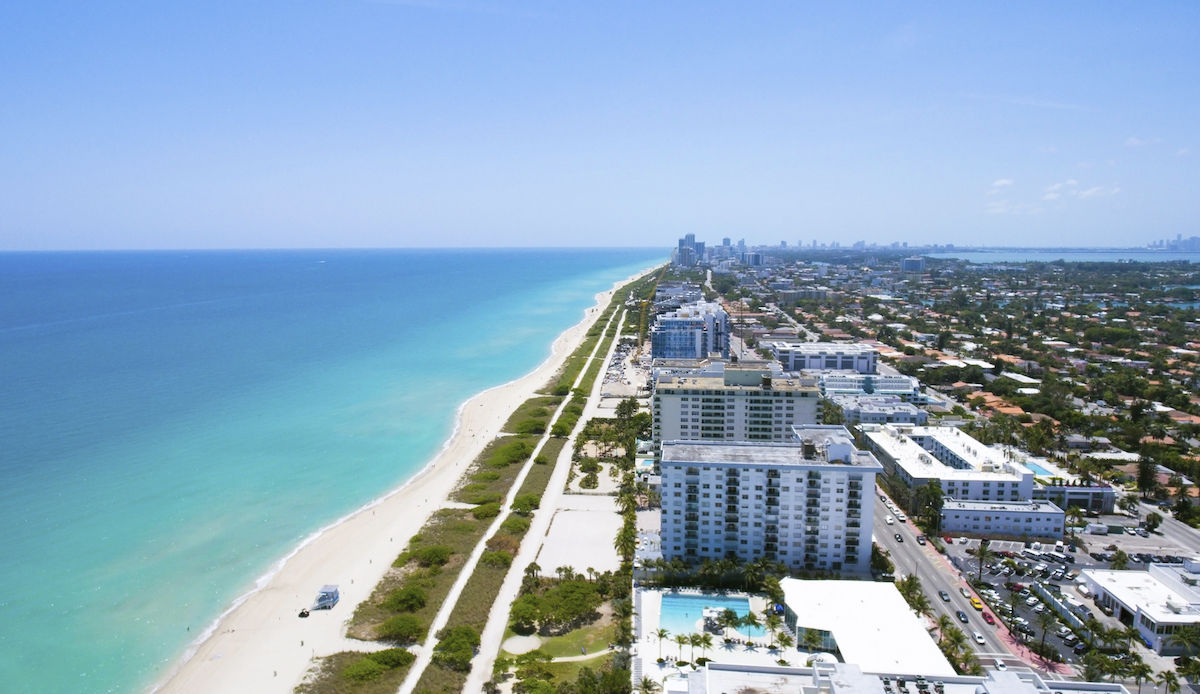
Kendall is one of Miami-Dade's largest suburban submarkets, a wide stretch of neighborhoods where commercial demand follows the residential population directly, medical office clustered near Baptist Hospital, retail lining Kendall Drive, and multifamily filling in the gaps. An exchange buyer here is generally underwriting steady, unglamorous income rather than a growth story.
What Fills the Replacement Shelf
Stock reflects a dense, residential-driven population:
- medical office suites near Baptist Hospital and the surrounding medical corridor
- neighborhood retail centers along Kendall Drive and SW 88th Street
- garden-style and mid-rise multifamily properties
- professional office condos serving local service businesses
Because the area is built out rather than still developing, most of what trades is an existing, operating asset rather than raw land or new construction, which simplifies underwriting but means condition and deferred maintenance carry more weight in due diligence than they would in a newer submarket.
Medical Office Comes With Its Own Diligence Checklist
Medical tenants near Baptist Hospital often carry buildout specific to their practice, imaging equipment pads, plumbing for procedure rooms, backup power for refrigeration, and a lease that reflects those improvements in ways a general office lease wouldn't. Ask for the tenant's original buildout plans and any equipment maintenance contracts before assuming a vacancy here could be re-leased to a general office tenant without significant retrofit cost.
Parking Ratios Decide Which Retail Centers Actually Lease Up
Kendall's retail centers compete heavily on parking convenience given how car-dependent the corridor is, and a center with a tight parking ratio relative to its tenant mix will show it in vacancy over time even if the rent roll looks fine today. Walk the parking lot at peak hours as part of diligence, rather than reviewing the site plan alone, since a paper ratio that looks adequate can still feel crowded in practice.
Multifamily Rollover Affects Adjacent Retail Demand
A meaningful share of Kendall's retail tenant demand comes directly from the apartment complexes surrounding it, so a retail center's health is tied to occupancy trends in nearby multifamily more than most investors initially account for. Checking vacancy trends in adjacent residential buildings gives a more honest read on a retail center's demand trajectory than the retail lease roll alone.
Backup Options Along the Same Corridor
South Miami to the north and Cutler Bay to the south both share Kendall's suburban, medically-adjacent character, with South Miami running slightly more expensive and Cutler Bay generally less. A qualified intermediary should have both on the identification list from the start, since Kendall's built-out nature means turnover can be slower than an investor expects going in.
Professional Office Condos Serve a Narrower Tenant Base Than They Look
Small office condos here tend to serve local accountants, insurance agents, and independent medical practices rather than the regional or national tenants found in Coral Gables or Brickell, which means re-leasing a vacant unit usually happens through word of mouth and local brokers rather than a broad marketing campaign. Budget realistic re-lease timelines around that local, relationship-driven leasing pattern rather than the faster absorption seen in more institutional submarkets.
What Building Operators Learn From a Corridor This Car-Dependent
Nearly everything in Kendall runs on driving distance rather than foot traffic, which changes how a facilities team should think about maintenance priorities. Parking lot lighting and striping, signage visibility from Kendall Drive itself, and monument sign condition matter more here for tenant traffic than storefront presentation does in a walkable corridor like Miracle Mile. A new owner inheriting a retail center should walk the site after dark at least once before closing, since lighting gaps that go unnoticed during a daytime showing can become a tenant safety complaint within the first few months of ownership.
Turn Kendall Into a Practical Sale Plan
Bring the current property, ownership, expected closing date, estimated equity, debt payoff, management goal, and preferred replacement profile to the first conversation about kendall. Those facts make it easier to separate realistic direct-property, net-lease, and DST paths, surface advisor questions early, and keep credible backup choices visible before the exchange deadline. Free guidance is available whether the sale is still being considered or the property is already under contract.
Common 1031 Exchange Questions
Can a medical office suite be re-leased to a general office tenant if the medical tenant leaves?
Sometimes, but expect retrofit costs since medical buildouts often include specialized plumbing, power, and equipment pads that a general office tenant wouldn't need or want to pay for. Factor that cost into your underwriting rather than assuming a like-for-like re-lease.
How much does parking ratio actually affect retail performance in Kendall?
More than the site plan alone suggests. Walk the lot during peak hours as part of diligence, since a ratio that looks sufficient on paper can still feel inadequate in a heavily car-dependent corridor like this one.
Is Kendall a growth market or a stable income market for exchange purposes?
It's generally a stable, built-out submarket rather than a growth story, so underwrite it on current occupancy and rent rather than expecting significant appreciation from new development.
Does slower turnover here affect how I should plan my 45-day identification window?
It can, since fewer properties change hands compared to faster-moving submarkets. Start outreach to owners and brokers before your relinquished property closes so you have real options ready when the window opens.
Why would nighttime lighting matter as much as daytime showing conditions?
Because Kendall is a heavily car-dependent corridor, lighting and signage visibility affect tenant traffic and safety perception at night in ways a daytime walkthrough won't reveal, so check the site after dark before closing.
How long should I expect a vacant professional office condo to sit before re-leasing?
Longer than in a more institutional submarket, since leasing here tends to move through local brokers and word of mouth rather than a broad marketing push, so budget realistic downtime into your underwriting.
Is Kendall a good fit for an investor exchanging out of a management-intensive urban asset?
It can be, since suburban retail and medical office here generally require less hands-on daily management than a dense urban building, though parking lot and signage upkeep still deserve regular attention.