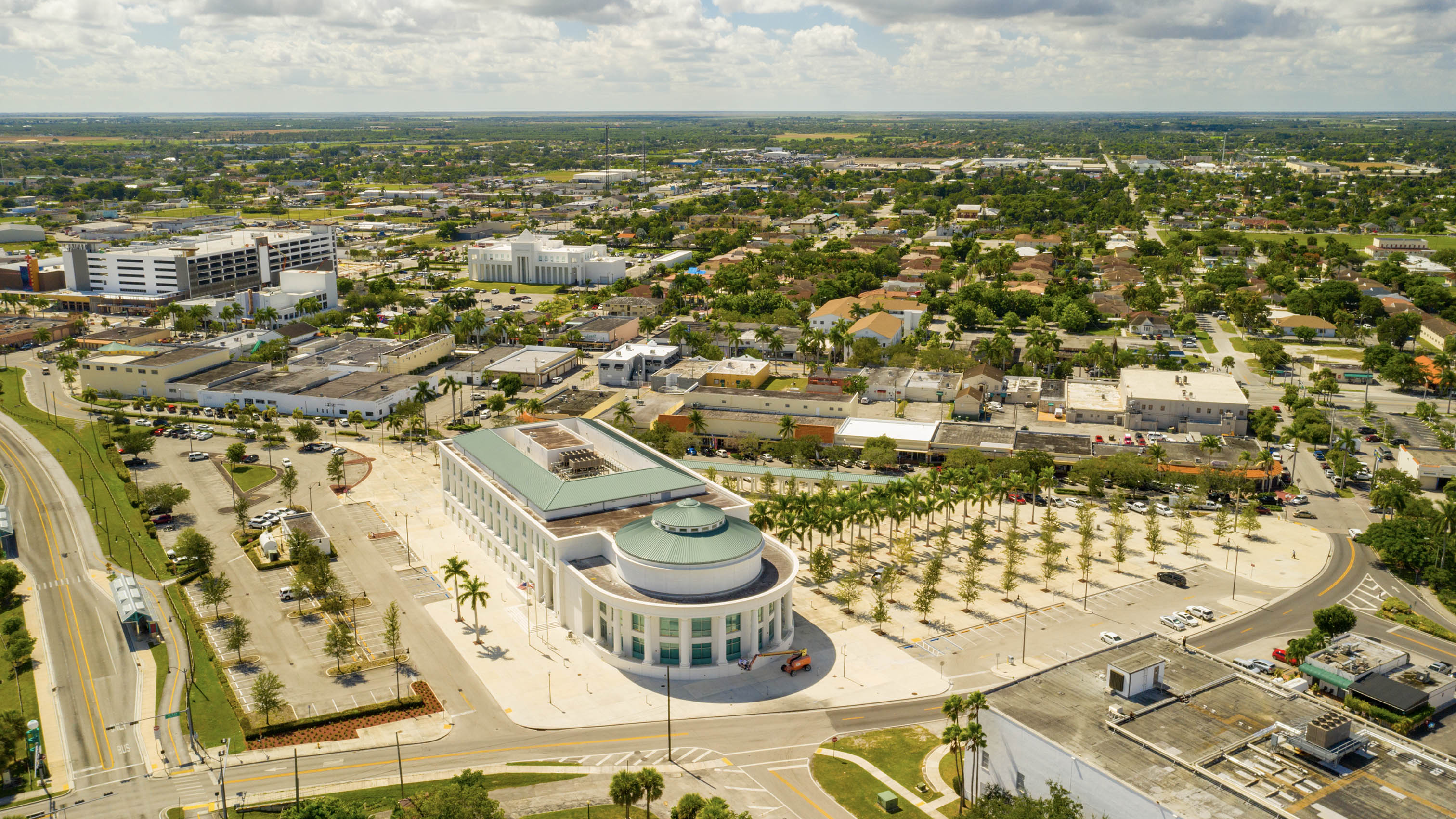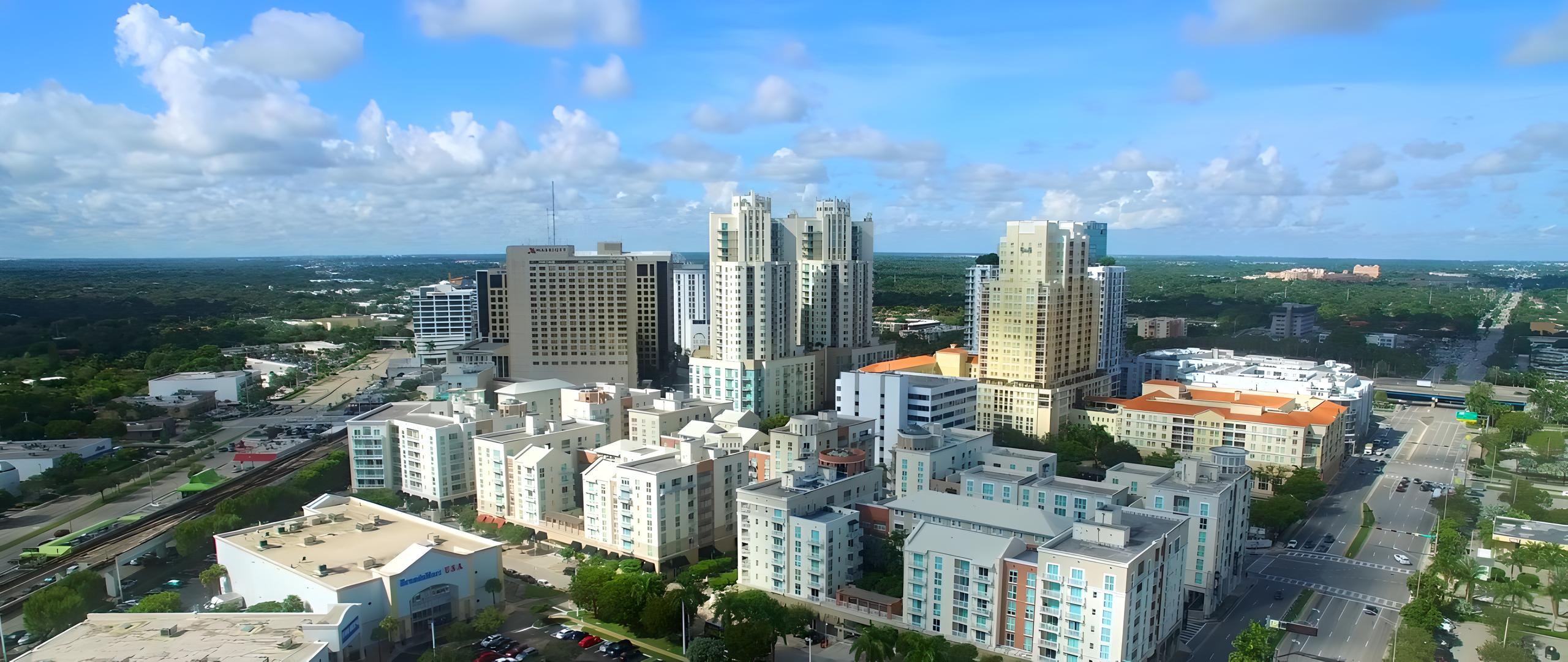
Hialeah is Miami-Dade's manufacturing and warehouse workhorse, a dense, working-class city with small-bay industrial stock lining Okeechobee Road and a legacy of garment and light manufacturing tenants. An exchange buyer here is typically trading price for age, replacement property costs less per square foot than Doral or Airport West, but the buildings are older and the diligence has to work harder to make up the difference.
What Trades in This Corridor
The available stock reflects the city's manufacturing roots:
- small-bay industrial buildings along Okeechobee Road
- workforce-oriented multifamily properties
- retail strips serving a dense residential population
- older warehouse condos near the rail spur corridors
- mixed-use buildings with ground-floor commercial and upper-floor apartments
Rail access from the old Florida East Coast spur still matters to a handful of manufacturing tenants, so a building's proximity to active rail service can be a genuine differentiator rather than a historical footnote.
Older Buildings Need Harder Inspections, Not Softer Ones
A lower price basis can tempt buyers to shorten inspection periods to keep a deal moving inside the 45-day window, but Hialeah's older industrial stock is exactly where that habit backfires. Electrical service upgrades, roof condition, and code compliance on decades-old buildings are common enough here that a full inspection, not an abbreviated one, should be budgeted into the identification timeline from day one.
Reading Tenant Payment History Instead of the Rent Roll Alone
Small manufacturing and warehouse tenants in this market can carry strong on-paper rents while quietly running behind on payments, especially in older buildings where a landlord has been lenient about timing. Request twelve to twenty-four months of actual payment history, rather than the current lease terms alone, before treating a rent roll's stated income as reliable for underwriting.
What Insurance and Title Diligence Turn Up in Older Stock
Buildings with decades of industrial tenants sometimes carry environmental history that didn't get formally documented at the time, and insurers increasingly ask pointed questions about prior use before quoting a policy. Order a Phase I environmental review early in the exchange, even on a building that looks clean, since a late-surfacing issue here can delay closing well past what the 180-day exchange period allows for.
Nearby Alternatives at a Similar Price Point
Medley to the west and the western edges of Doral both offer comparable small-bay industrial at a similar cost basis, sometimes with slightly newer construction. Naming both as backups with a qualified intermediary keeps an investor's options open if a specific Hialeah building doesn't clear environmental or structural diligence in time.
Rail Spur Access Is a Real Amenity for the Right Tenant
Not every building near the old Florida East Coast rail spur still has an active siding, and confirming whether a specific property's spur connection is functional, abandoned, or simply removed years ago matters a great deal to a manufacturing or bulk-materials tenant considering the space. Ask the seller for documentation of the spur's current status rather than assuming rail access based on the building's age or a map showing historical rail lines, since a defunct connection advertised as an amenity is a common source of buyer disappointment after closing.
Dense Residential Population Keeps Retail and Multifamily Full
Hialeah's residential density is among the highest in Miami-Dade, and that keeps neighborhood retail strips and workforce multifamily properties running close to full occupancy even when the broader county market softens. A building operator taking over a retail strip here should still verify actual foot traffic and sales performance with existing tenants rather than assuming density alone guarantees renewal, since a location that looks busy from the street can still have individual units that underperform for reasons specific to that tenant's business.
Turn Hialeah Into a Practical Sale Plan
Bring the current property, ownership, expected closing date, estimated equity, debt payoff, management goal, and preferred replacement profile to the first conversation about hialeah. Those facts make it easier to separate realistic direct-property, net-lease, and DST paths, surface advisor questions early, and keep credible backup choices visible before the exchange deadline. Free guidance is available whether the sale is still being considered or the property is already under contract.
Common 1031 Exchange Questions
Why is industrial property here priced lower than in Doral or Airport West?
Age and building vintage are the main drivers. Hialeah's stock is generally older, and while it still functions well for many tenants, the lower price basis reflects the additional capital and inspection attention older buildings need.
Should I shorten my inspection period to compete for a lower-priced Hialeah building?
That's usually the wrong tradeoff. Older industrial stock is exactly where a shortened inspection period creates the most risk, so budget full inspection time into your identification timeline rather than cutting it to move faster.
How do I verify a tenant's rent roll is accurate on an older building?
Request actual payment history covering twelve to twenty-four months rather than relying on the stated lease terms alone, since landlords on older properties sometimes carry tenants who are behind without reflecting that in the rent roll.
Is a Phase I environmental review necessary on every industrial property here?
It's strongly advisable given the corridor's manufacturing history, even on buildings that appear clean, since a late-surfacing environmental issue can delay closing beyond the 180-day exchange period if it isn't caught early.
Does high residential density guarantee strong retail performance in Hialeah?
Not automatically. Verify actual foot traffic and individual tenant sales rather than assuming density alone sustains every unit, since a busy corridor can still include underperforming spaces tied to specific tenants.
How do I confirm whether a building's rail spur connection is actually usable?
Ask the seller for current documentation of the spur's status directly, since many older buildings advertise rail access from a map that no longer reflects an active, functioning connection.
What's the biggest diligence mistake buyers make chasing Hialeah's lower price basis?
Shortening the inspection window to compete on speed. The lower cost basis reflects real age-related risk, so a full inspection and honest expense normalization protect the value of that lower price rather than undermine it.