Commercial real estate investing covers office, industrial, retail, multifamily above four units, and specialized categories like self-storage and medical office, and it runs on different mechanics than a residential rental in ways that matter before you commit capital. Leases tend to run longer, often three to ten years for retail and industrial space, with tenants sometimes covering property taxes, insurance, and maintenance directly under a net lease. Financing terms, underwriting, and even the vocabulary, cap rate, NOI, triple net, differ enough from residential investing that treating the two as interchangeable is a common first mistake.
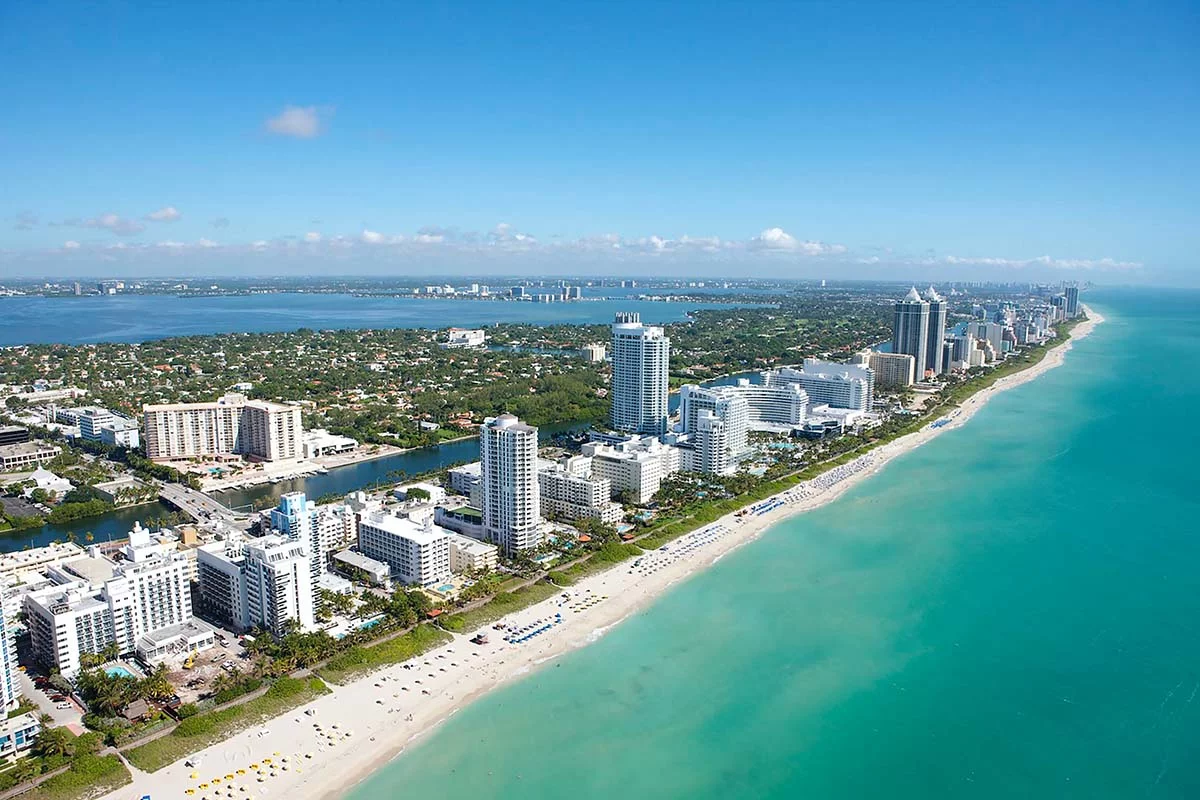
Miami's commercial market spans everything from small owner-user warehouses in Doral to institutional office towers downtown, and the entry point that makes sense depends heavily on capital, risk tolerance, and how hands-on you want to be.
Direct Ownership of a Commercial Asset
Buying a commercial property outright, a small retail strip, a self-storage facility, an industrial flex building, gives full control over leasing, capital improvements, and sale timing. It also requires commercial-grade financing, which typically demands a larger down payment and stricter underwriting than residential lending, along with the operating knowledge to manage or oversee professional management for a more complex asset class.
Cap Rate Is the Starting Point, Not the Whole Analysis
The capitalization rate, net operating income divided by purchase price, gets used as shorthand for a commercial property's return, but it says nothing about lease rollover risk, deferred maintenance, or the tenant's actual creditworthiness. A property showing a 7% cap rate with a single tenant nearing lease expiration carries different risk than one showing 6% with ten years remaining on a national credit tenant's lease, and the cap rate alone won't tell you which is the better buy.
Passive Entry Points Without Direct Management
For investors who want commercial real estate exposure without operating a building, syndications and REITs both offer access to institutional-scale commercial assets, and a Delaware Statutory Trust offers a similar passive structure specifically designed to preserve 1031 eligibility for owners coming out of a prior property sale. Net-leased retail and industrial assets are common DST offering types precisely because their long, low-maintenance lease structures suit a passive ownership model well.
How a 1031 Exchange Changes the Entry Point for an Existing Owner
An owner who already holds appreciated commercial real estate in Miami-Dade and wants to reposition into a different asset type, moving from an aging retail strip into an industrial or self-storage replacement, for example, can do so through a 1031 exchange without triggering capital gains tax on the sale, as long as the replacement property is also held for investment or business use and the 45-day identification and 180-day closing windows are met. That repositioning flexibility, changing asset class or geography while deferring tax, is one of the more underused features of the exchange for investors focused only on the deferral itself.
Financing Commercial Property Is Its Own Discipline
Commercial lenders underwrite the property's income first and the borrower's balance sheet second, focusing heavily on debt service coverage ratio, the property's net operating income relative to the loan payment, rather than the debt-to-income calculation common in residential lending. Loan terms are typically shorter, five to ten years with a balloon payment or refinance at the end, rather than a fully amortizing thirty-year residential mortgage, which means a commercial buyer needs to plan for refinance risk from day one, not just closing-day approval.
Miami-Specific Factors Worth Weighing
Insurance costs for commercial property in Miami-Dade have risen sharply in recent years given hurricane and flood exposure, and that line item now materially affects underwriting on nearly every deal type, sometimes enough to change which asset class makes sense. Flood zone designation, wind mitigation features, and roof age all factor into premiums in ways that a pro forma built on older comparable data can understate significantly, so current insurance quotes, not last year's numbers, belong in any serious underwriting on a Miami commercial purchase.
Common 1031 Exchange Questions
What is the minimum investment for commercial real estate?
It varies enormously. Direct ownership of a small commercial property might start in the low hundreds of thousands with financing, while passive vehicles like REITs can require very little, and DST or syndication minimums are typically higher and limited to accredited investors.
Is commercial real estate riskier than residential?
It carries different risks rather than uniformly more or less. Commercial leases are longer and often more stable, but vacancy periods can be longer to fill, and value is more directly tied to the tenant's business performance and lease terms.
What does cap rate actually tell you?
It shows the property's net operating income as a percentage of its price, a quick yield comparison. It does not account for lease rollover risk, deferred maintenance, or tenant credit quality, all of which need separate analysis.
Can you use a 1031 exchange to switch from retail to industrial property?
Yes. The like-kind standard for real estate is broad, covering any real property held for investment or business use, so exchanging between commercial asset types is allowed as long as the timing and reinvestment requirements are met.
Do you need to be an accredited investor for commercial real estate?
Only for certain vehicles. Publicly traded REITs and direct ownership have no accreditation requirement, while DSTs and most private syndications are limited to accredited investors.